


Ячмінь
АкордЗЕЛЕНІ НОТИ, ТРАВИ Й ФУЖЕРНІ АКОРДИзелений · землистий · свіжий
Ноти серцяПіраміда
—Сила
—Стійкість
6Походження
Зразок
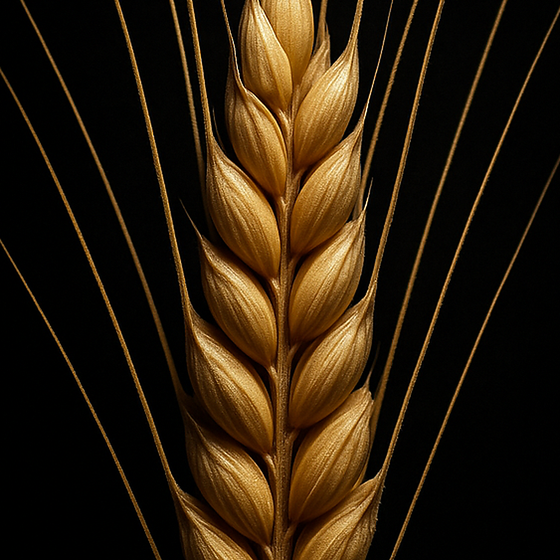
Hordeum vulgare
Фантазійний/концептуальний
Визначення
Barley (Hordeum vulgare), a member of the grass family, is a major cereal grain grown in temperate climates globally.
ЗЕЛЕНИЙ ЗЕМЛИСТИЙ СОЛОДКИЙ ТЕПЛИЙ СВІЖИЙ
- Type
- Акорд
- Olfactive family
- Гурманські
- Source
- cereal grain
Інструменти
Піраміда
ВВерхні ноти
СНоти серця
ББазові ноти
Країни-виробники
Австралія Канада Франція Німеччина Росія Україна
Запах
В ароматах PREMIEREPEAU
Докладно
Отримання й хімія
Спосіб отримання
Malting is the conversion of barley or other cereal grains into malt for use in brewing, distilling, or foods. The grain is immersed in water two or three times for two or three days to absorb moisture and start to sprout. The sprouted grain, called green malt, is then dried and toasted in an oven or kiln to the desired color and specification.
- Ботанічна назва
- Hordeum vulgare
Статус IFRA
Див. приміткуNo IFRA Standard for the material itself (51st Amendment)
У парфумерії
In fine fragrance and personal care, roasted barley extract supplies woody gourmand notes and combines with orange and woody accords, lending harmony and originality to a composition. The extract is also used in cosmetics.
Роль у формулі
01модифікатор
02фірмова нота
03сполучний компонент
Форми випуску
синтетичний акорд фантазійна нота
Див. також
5 ноти