Карвакрол

НапівсинтетичнийПРЯНОЩІпряний · трав’яний · чебрець
Ноти серцяПіраміда
3/5Сила
—Стійкість
3Походження
Зразок
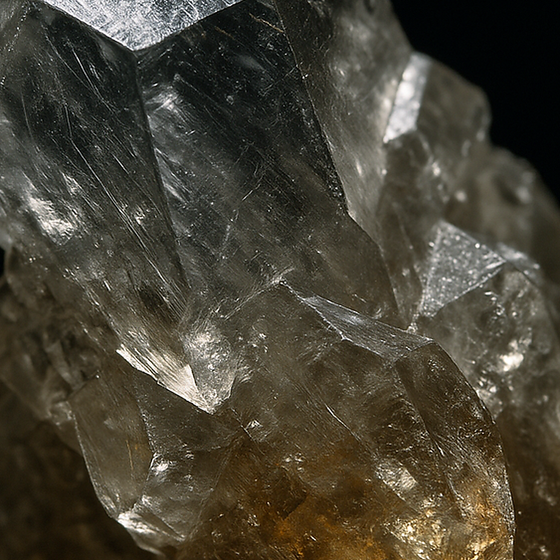
Карвакрол як парфумерна сировина
Ноти серця
Origanum vulgare
Визначення

Carvacrol is a monoterpenoid phenol. It has a characteristic pungent, warm odor of oregano.

ПРЯНИЙ ТРАВ’ЯНИЙ ТЕПЛИЙ
5-isopropyl-2-methylphenol, 2-methyl-5-(1-methylethyl)phenol, cymophenol, isothymol
Type
Складник
Olfactive family
Пряні
Source
essential oils (oregano, thyme)
Chemical class
phenol (monoterpenoid)
Інструменти
Піраміда
ВВерхні ноти
СНоти серця
ББазові ноти
3/5Сила
Середня
інтенсивність запаху
Країни-виробники
Марокко Іспанія Туреччина

Запах

The odor of carvacrol is described as pungent and spicy. Its characteristic odor is pungent and warm, like oregano. Another description gives a thymol odor. A further description gives a medicinal smoke odor.

Докладно

Carvacrol has the formula C₁₀H₁₄O and the CAS number 499-75-2. Its preferred IUPAC name is 2-methyl-5-(propan-2-yl)phenol. It is a natural monoterpene derivative of cymene and the isomer of thymol.

Explore all seven extraits in the Discovery Set.

Natural occurrence

Carvacrol is present in the essential oil of Origanum vulgare (oregano), in oil of thyme, in oil obtained from pepperwort and in wild bergamot. The essential oil of thyme subspecies contains between 5 and 75% of carvacrol, while Satureja (savory) subspecies have a content between 1 and 45%. Origanum majorana (marjoram) and dittany of Crete are rich in carvacrol, 50 and 60-80% respectively. Carvacrol is also found in Lippia graveolens (Mexican oregano), a plant of the verbena family.

Origanum oil is about 60% carvacrol. Over 60 compounds have been identified in oregano essential oil, the primary ones being carvacrol and thymol, ranging to over 80%. The relative concentration of each compound varies widely with geographic origin and other factors. Less abundant compounds of the oil include p-cymene, γ-terpinene, caryophyllene, spathulenol, germacrene D, β-fenchyl alcohol and δ-terpineol.

Chemistry

Carvacrol is a thick oil that sets at -20 °C to a mass of crystals. It is insoluble in water and soluble in ethanol, diethyl ether, carbon tetrachloride and acetone. Reported melting points are 1 °C and 3.5 °C. Oxidation with ferric chloride converts it into dicarvacrol, whilst phosphorus pentachloride transforms it into chlorcymol. Thymoquinone is a quinone derivative that can be synthesized through the catalytic oxidation of carvacrol.

Antimicrobial activity

In vitro, carvacrol is active against 25 different phytopathogenic bacteria and strains, among them the bacterium Pseudomonas syringae and the fungi Fusarium verticillioides, Rhizoctonia solani and Sclerotinia sclerotiorum. The hydroxyl group of carvacrol and a system of delocalized electrons are important for its antimicrobial activity. Against Bacillus cereus, thymol is about as active as carvacrol, whereas cymene, which has no hydroxyl group, and carvacrol methyl ester did not inhibit growth at the concentrations tested.

Safety

Among companies that notify hazard classes, 91.5% report skin sensitisation category 1, 90.4% skin irritation category 2 and 90.2% eye irritation category 2. Carvacrol is metabolized by conjugation with glucuronic acid and sulfate.

Отримання й хімія

Спосіб отримання

Carvacrol is extracted from Origanum oil by means of a 50% potash solution. It may also be prepared synthetically by a number of routes. The fusion of cymol sulfonic acid with caustic potash results in desulfonation. The dehydrogenation of carvone with a palladium-carbon catalyst has been established. It has also been prepared by transalkylation of isopropylated cresols.

Формула
C₁₀H₁₄O
CAS
499-75-2
Ботанічна назва
Origanum vulgare
Зовнішній вигляд
colorless to pale yellow liquid
Сила запаху
Середня
Синоніми
5-isopropyl-2-methylphenol, 2-methyl-5-(1-methylethyl)phenol, cymophenol, isothymol
Статус IFRA
Див. примітку

No IFRA Standard for the material itself (51st Amendment)

Фізичні властивості
Температура кипіння
237–238 °C
Температура спалаху
100 °C
Відносна густина
0.976 at 20 °C

У парфумерії

Carvacrol is used in perfumes and flavourings. It is used as a food additive and has a role as a flavouring agent.

Роль у формулі
01модифікатор
02тепло
Форми випуску
натуральний ізолят синтетична речовина

Див. також

6 ноти