


Абсолют кастореуму
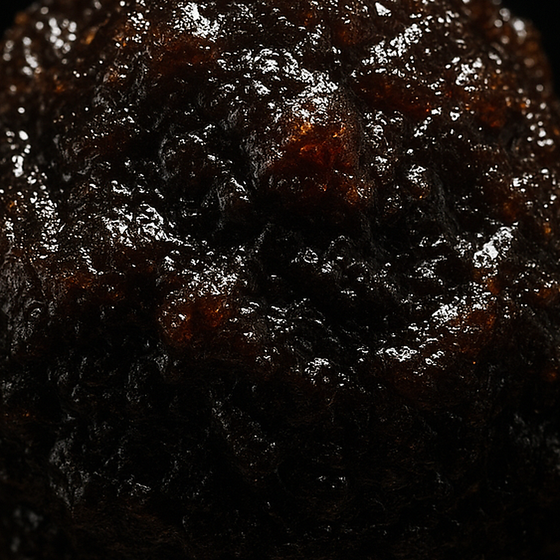
Castoreum is a yellowish exudate from the castor sacs of mature beavers. Its odour is leathery, animalic and smoky.
- Type
- Складник
- Olfactive family
- Амброві й мускусні
- Source
- animal-derived
- Chemical class
- complex natural mixture
Запах
Молекула: виробники й варіанти
Докладно
Цікавий факт
The intense, leathery odour of castoreum from Siberian beavers is caused largely by phenolic compounds, which the beavers take in with their food and excrete into their abdominal pouches. In Sweden, castoreum has traditionally flavoured a kind of snaps called Bäverhojt.
Отримання й хімія
Спосіб отримання
Castoreum is removed from the animal during the skinning period and is dried in the sun or sometimes over burning wood. It is extracted with alcohol from the dried and crushed castor sacs. The dried beaver castor sacs are generally aged for two or more years to mellow. Hot alcohol extraction gives a yield of about 75 to 80%. This extract is not a true absolute and it is not clearly soluble in cold alcohol. Resinoids are prepared by extracting dried, comminuted pouches with suitable solvents. A commercial castoreum absolute is made by extraction using volatile solvents followed by a purification in alcohol. Today, there are special beaver farms where the beavers rub their secretions off onto special collection containers.
- Формула
- Complex natural mixture (key constituents: castoramine; 4-ethylphenol; catechol; acetophenone)
- CAS
- 8023-83-4
- Ботанічна назва
- Castor canadensis / Castor fiber
- Зовнішній вигляд
- dark-brown, soft, unctuous mass
- Синоніми
- Castoreum extract, castoreum resinoid, castoreum tincture
No IFRA Standard for the material itself (51st Amendment)
- Температура спалаху
- > 100 °C
У парфумерії
In perfumery, the term castoreum refers to the resinoid extract made from the dried beaver castor tinctured with alcohol. Castoreum is largely used for its note suggesting leather, typically compounded with other ingredients covering top, middle and base notes. It was used mainly in fine fragrances for its characteristic, long-lasting odour, particularly for delicate leather nuances. It is used as a tincture in some perfumes. Historically, compounds isolated from castoreum were used in strawberry and raspberry flavourings and vanilla substitutes. At present, however, the annual industry consumption is very low, around 100 kilograms. Castoreum was also considered as an ingredient for the flavour and odour of cigarettes.
Див. також
8 ноти