


Пальчиковий лайм
НатуральнийЦИТРУСОВІ ЗАПАХИцитрусовий · свіжий · зелений
Верхні нотиПіраміда
—Сила
—Стійкість
1Походження
Зразок
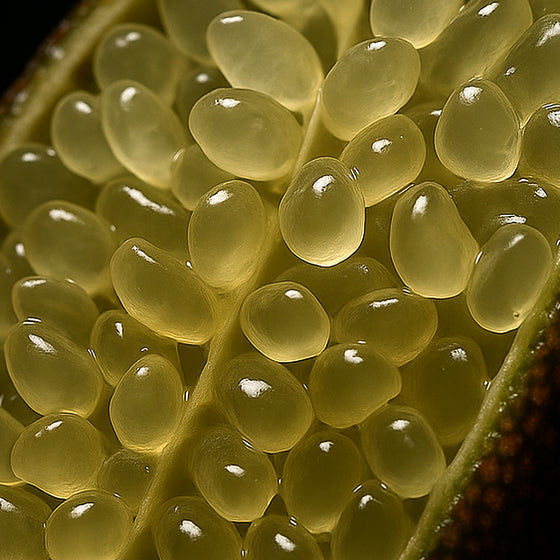
Citrus australasica
Визначення
Finger lime (Citrus australasica) is a thorny understorey shrub or small tree of lowland subtropical rainforest in Queensland and New South Wales, Australia, with edible fruits. The peel is frequently defined as having an intense floral lime aroma.
КВІТКОВИЙ ЦИТРУСОВИЙ ЗЕЛЕНИЙ ТРАВ’ЯНИЙ СВІЖИЙ СУХИЙ ВЕРШКОВИЙ
Caviar lime, lemon caviar, Australian finger lime, Microcitrus australasica
- Type
- Складник
- Olfactive family
- Цитрусові
- Source
- fruit peel
- Chemical class
- complex natural mixture (monoterpene-rich peel oil)
Інструменти
Піраміда
ВВерхні ноти
СНоти серця
ББазові ноти
Країни-виробники
Австралія
Запах
В ароматах PREMIEREPEAU
Докладно
Цікавий факт
The finger lime is thought to have the widest range of colour variation within any Citrus species. It is not a host to the Queensland fruit fly, saving Australian growers the extra burden of treatment before export.
Отримання й хімія
Спосіб отримання
The oil of the Faustrime hybrid has been obtained by cold-pressing the peel.
- Формула
- Complex natural mixture (key constituents: limonene; γ-terpinene; bicyclogermacrene)
- Ботанічна назва
- Citrus australasica
- Зовнішній вигляд
- Cylindrical, slightly curved fruit with rough, greenish yellow to pink skin
- Синоніми
- Caviar lime, lemon caviar, Australian finger lime, Microcitrus australasica
Статус IFRA
Див. приміткуNo IFRA Standard for the material itself (51st Amendment)
Див. також
7 нотиНеролі квітковий · медовий · зелений Каламондин цитрусовий · свіжий · фруктовий Бергамот цитрусовий · ароматичний · гіркий · чайний Рука Будди цитрусовий Червоний апельсин цитрусовий · свіжий · фруктовий Комбава цитрусовий · свіжий · зелений Лимонна вербена (lemon verbena) цитрусовий · свіжий · зелений
