Коптис китайський

НатуральнийЗЕЛЕНІ НОТИ, ТРАВИ Й ФУЖЕРНІ АКОРДИзелений · землистий · свіжий
Ноти серцяПіраміда
—Сила
—Стійкість
1Походження
Зразок
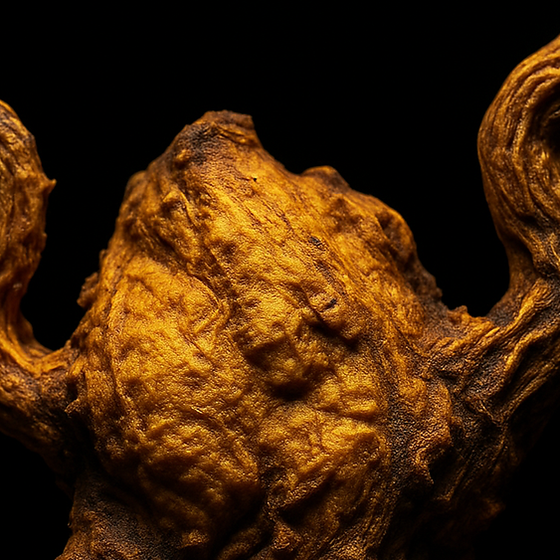
Коптис китайський як парфумерна сировина
Ноти серця
Coptis chinensis Franch.
Визначення

Huang lian is the Chinese name of Rhizoma Coptidis, the dried rhizome of Coptis chinensis, Coptis deltoidea and Coptis teeta. It is a bitter Chinese medicine.

Herbacé
96
Vert
59
Frais
67
Aromatique
49
Boisé
30
Terreux
46
Rhizoma coptidis, huanglian
Type
Складник
Olfactive family
Ароматичні
Source
dried rhizome
Chemical class
complex natural (protoberberine-type alkaloids)
Інструменти
Піраміда
ВВерхні ноти
СНоти серця
ББазові ноти
Країни-виробники
Китай

Теруар і переробка

Докладно

Huang lian is the Chinese name of Coptidis rhizoma. Coptidis rhizoma is the dried rhizome of Coptis chinensis, Coptis deltoidea or Coptis teeta, of the family Ranunculaceae. The Japanese Pharmacopoeia, the Korean Pharmacopoeia and the international standard ISO 7177:2023 also accept the rhizome of Coptis japonica.

Coptis chinensis is a flowering plant native to China. It is one of the 50 fundamental herbs used in traditional Chinese medicine. Coptidis rhizoma is a bitter Chinese medicine.

The rhizomes of Coptis chinensis contain the isoquinoline alkaloids berberine, palmatine and coptisine, among others. Protoberberine-type alkaloids, including berberine, palmatine, coptisine, epiberberine, jatrorrhizine and columbamine, are the main components of the rhizome. In an analysis of 18 batches from four Coptis species, berberine was the alkaloid with the highest average content, at 7.95 ± 2.42%. In an ethanol extract of the rhizome, berberine made up about 28% of the total extract. In the Chinese Pharmacopoeia, berberine, coptisine, palmatine and epiberberine are designated as quality markers for the rhizome.

Many secondary metabolites, including alkaloids, lignans, phenylpropanoids, flavonoids, phenolic compounds, saccharides and steroids, have been isolated from the rhizome. The volatile content of the unprocessed rhizome was 0.003% ± 0.001% in one analysis. The main constituents of those volatiles were cis-9,cis-12-octadecadienoic acid (40.80%), n-hexadecanoic acid (34.00%) and tetradecanoic acid (3.17%). The rhizome and its main alkaloids have shown anti-inflammatory, anti-cancer, anti-diabetic, neuroprotective, cardioprotective, hypoglycemic, anti-Alzheimer and hepatoprotective activities in investigations.

The Chinese pharmacopoeia records three types of processed rhizome: processed with wine, with ginger juice, and with Fructus Evodiae. Processing with ginger juice significantly increased the volatile content of the rhizome, from 0.003% to 0.009%.

—

Related: Acronychia Pedunculata · Adoxal · Agave · Algae · Aloe Vera · Aromatic Notes · Asparagus · Avocado

Цікавий факт

Traditionally, the more bitter the rhizome tastes, the better its quality is held to be.

Отримання й хімія

Спосіб отримання

An ethanol extract of the rhizome has been analysed by HPLC for its alkaloids.

Ботанічна назва
Coptis chinensis Franch.
Зовнішній вигляд
Dried rhizome
Синоніми
Rhizoma coptidis, huanglian
Статус IFRA
Див. примітку

No IFRA Standard for the material itself (51st Amendment)

Фізичні властивості
Нота
Berberine content averages 7.95 ± 2.42% in the Coptis rhizome samples studied. Volatile content of the dried rhizome: 0.003% ± 0.001%.

Див. також

7 ноти