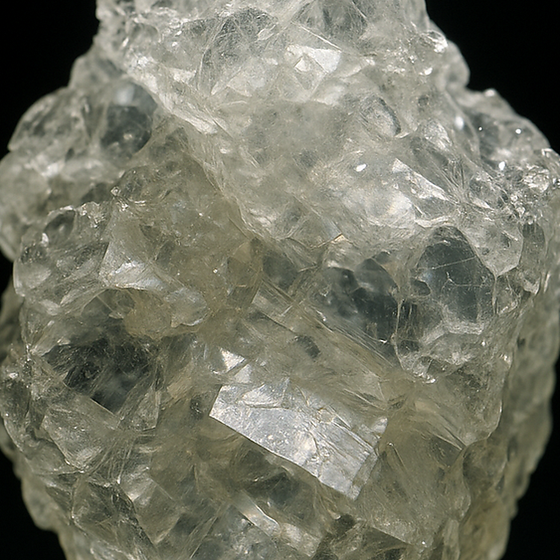
Ізоборнілацетат

СинтетичнийДЕРЕВИНА Й МОХИдеревний · бальзамічний · камфорний

Сім ароматівОдин із них дивиться на вас

Базові нотиПіраміда
—Сила
8годСтійкість
—Походження
Зразок
Ізоборнілацетат як парфумерна сировина
Базові ноти
Визначення

Isobornyl acetate is the acetate ester of the terpenoid isoborneol. It is a colorless liquid with a pleasant pine-like scent.

ДЕРЕВНИЙ БАЛЬЗАМІЧНИЙ КАМФОРНИЙ
Acetic acid isobornyl ester, 2-camphanyl acetate, pichtosine
Type
Складник
Olfactive family
Деревні
Source
synthetic, made from camphene and acetic acid
Chemical class
ester (terpenoid)
Інструменти
Піраміда
ВВерхні ноти
СНоти серця
ББазові ноти
Стійкість на блотері
8годин
1 год6 год24 год3 дн.7 дн.400 год

Запах

The odor is camphoraceous, piney and balsamic. It is a pleasant, camphor-like odor reminiscent of some varieties of pine needles and hemlock. It is also described as woody, balsamic and camphor-like, with a slightly medicinal and minty undertone. The character is fresh, woody and dry-amber, with green pine and camphoraceous nuances. The camphoraceous facet is less pronounced than in camphor itself but more evident than in other pine-derived materials.

Докладно

Isobornyl acetate is produced on a multi-ton scale for its pine-like scent. Hydrolysis of isobornyl acetate gives isoborneol, a precursor to camphor. Saponification of the acetate to isoborneol is another important use. Isoborneol has a camphor-like smell and is an intermediate in camphor synthesis. When water is added to the reaction of camphene with acetic acid, the product contains isoborneol.

Isobornyl acetate is insoluble in water. It is soluble in alcohol and fixed oils and slightly soluble in propylene glycol. It is stable under recommended storage conditions. When heated to decomposition it emits acrid smoke and irritating fumes.

With a hydroxy-acid and boric acid catalyst, camphene and acetic acid give fenchyl acetate as well as isobornyl acetate. Anhydrous iron(III) chloride, used at 10% of the mass of camphene, converted 98% of the camphene and gave an 88% yield of isobornyl acetate.

Explore all seven extraits in the Discovery Set.

—

Related: Alder · Alpha Humulene · Amaranth · Amberever · Amburana Bark · Antillone · Apple Tree

Отримання й хімія

Спосіб отримання

It is made by reacting camphene with acetic acid in the presence of a strongly acidic catalyst such as sulfuric acid. Sulfuric acid was often the catalyst at first, but its use was stopped because of equipment corrosion and environmental issues. In industry, a strong acid cation resin is often used as a catalyst.

Формула
C₁₂H₂₀O₂
CAS
125-12-2
Зовнішній вигляд
Colorless to very pale straw-colored liquid
Стійкість
approximately 8 hours on a strip, undiluted
Синоніми
Acetic acid isobornyl ester, 2-camphanyl acetate, pichtosine
Статус IFRA
Див. примітку

No IFRA Standard for the material itself (51st Amendment)

Фізичні властивості
Температура кипіння
227 °C
Температура спалаху
190 °F (88 °C), closed cup
Відносна густина
0.979-0.984 at 25 °C
Показник заломлення
1.462-1.465 at 20 °C

У парфумерії

Isobornyl acetate is a fragrance ingredient with a pine-needle odor. Its listed use is masking and perfuming. It is also a flavoring agent, and it is used in industries where scenting is necessary, such as the manufacture of toiletries. In flavors it contributes camphoraceous, woody and slightly citrus notes.

Роль у формулі
01модифікатор
02сполучний компонент
03свіжість
Форми випуску
чиста пахуча речовина

Див. також

6 ноти