Мушмула японська

НатуральнийФРУКТИ, ОВОЧІ Й ГОРІХИфруктовий · квітковий · солодкий
Ноти серцяПіраміда
—Сила
—Стійкість
4Походження
Зразок
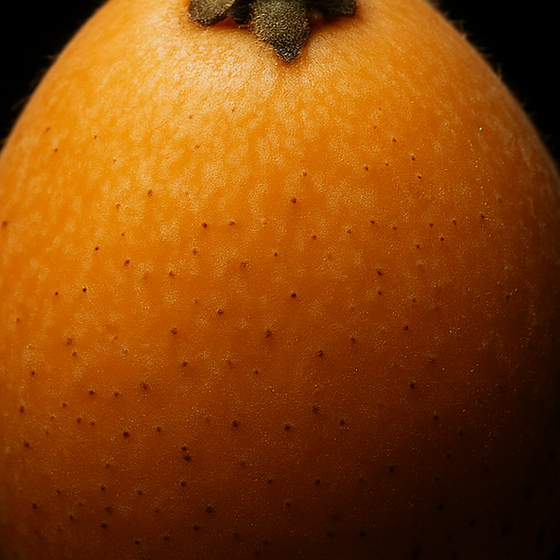
Мушмула японська як парфумерна сировина
Ноти серця
Eriobotrya japonica
Визначення

Japanese loquat is the fruit of Eriobotrya japonica, a tree of the family Rosaceae. Its flavor is described as floral, with hints of apricot and peach.

КВІТКОВИЙ ЦИТРУСОВИЙ СОЛОДКИЙ ТЕПЛИЙ СВІЖИЙ МЕДОВИЙ
loquat, biwa, Japanese medlar, Japanese plum, Chinese plum
Type
Складник
Olfactive family
Фруктові
Source
Fruit of Eriobotrya japonica
Інструменти
Піраміда
ВВерхні ноти
СНоти серця
ББазові ноти
Країни-виробники
Китай Іспанія Пакистан Туреччина

Запах

The flavor of the fruit is described as floral, with hints of apricot and peach.

Докладно

Botany and fruit

Japanese loquat is the fruit of Eriobotrya japonica, a large evergreen shrub or tree grown commercially for its orange-coloured fruits. It is native to the cooler hill regions of south-central China. The tree belongs to the family Rosaceae. The fruits are oval, rounded or pear-shaped and 3-5 cm long, with a smooth or downy skin that is yellow or orange, sometimes red-blushed. The flesh is succulent and tangy, white, yellow or orange, and sweet to subacid or acid, depending on the cultivar.

Explore all seven extraits in the Discovery Set.

Flowers

The flowers are white, with five petals, and are produced in stiff panicles of three to 10 flowers. Their aroma is sweet and heady and can be smelled from a distance. The tree commonly blossoms in late fall and early winter, from October to February. The floral fragrance volatiles of the petals and stamens are attractive to wild pollinators such as Chinese honeybees. Reports give (2-nitroethyl) benzene, 4-methoxybenzaldehyde and methyl 4-methoxybenzoate as the major fragrances of the flowers, and phenethyl alcohol as a minor component. In one analysis 4-methoxybenzaldehyde had the highest content among the flower volatiles.

Uses and distribution

The loquat has high sugar, acid, and pectin contents. It is eaten as a fresh fruit and is commonly used to make jam, jelly, and chutney. The seeds and young leaves are slightly poisonous, containing small amounts of cyanogenic glycosides, including amygdalin. The tree has been introduced to regions with subtropical to mild temperate climates throughout the world.

History

The plant has been cultivated in China for over 1,000 years. It has also been cultivated in Japan for about 1,000 years. The fruits and seeds were brought to Japan by Japanese scholars visiting and studying in China during the Tang dynasty. The name loquat derives from Cantonese lou gwat, literally 'black orange'.

Sample all seven extraits in the Discovery Set.

Отримання й хімія

Спосіб отримання

The leaves extract used as a flavour ingredient is derived from the leaves of Eriobotrya japonica. It contains not less than 2% citric acid and not less than 2.5% triterpene acids, and not less than 93% of its content is non-volatile components.

Ботанічна назва
Eriobotrya japonica
Синоніми
loquat, biwa, Japanese medlar, Japanese plum, Chinese plum
Статус IFRA
Див. примітку

No IFRA Standard for the material itself (51st Amendment)

Див. також

8 ноти