


Пітахая
АкордФРУКТИ, ОВОЧІ Й ГОРІХИфруктовий · свіжий · солодкий
Ноти серцяПіраміда
—Сила
—Стійкість
6Походження
Зразок
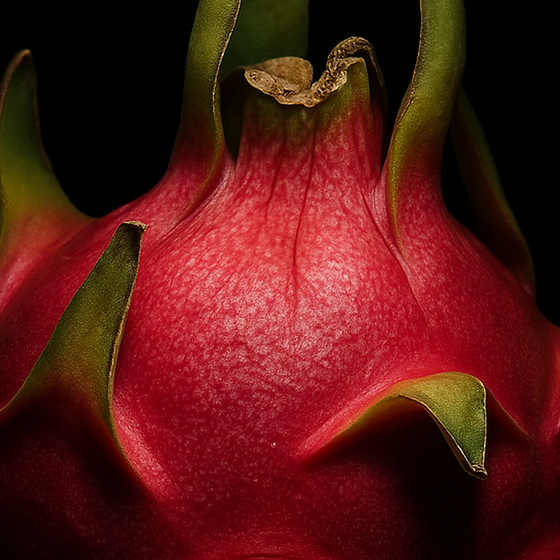
Selenicereus undatus
Фантазійний/концептуальний
Визначення
Pitahaya, or dragon fruit, is the fruit of several species in the cactus genus Selenicereus, particularly Selenicereus undatus. As a perfumery note it is an accord, a blend built to evoke the scent, and it is mild, juicy and subtly sweet.
КВІТКОВИЙ ЦИТРУСОВИЙ СОЛОДКИЙ ФРУКТОВИЙ ТЕПЛИЙ СВІЖИЙ
Dragon fruit, pitaya, exotic pitaya, Hylocereus undatus
- Type
- Акорд
- Olfactive family
- Фруктові
- Source
- Accord (a blend built to evoke the scent)
- Chemical class
- olfactory accord
Інструменти
Піраміда
ВВерхні ноти
СНоти серця
ББазові ноти
Країни-виробники
В’єтнам Мексика Центральна Америка Колумбія Ізраїль Таїланд
Запах
В ароматах PREMIEREPEAU
Докладно
Отримання й хімія
Спосіб отримання
The perfumery note is an accord, a blend built to evoke the scent of dragon fruit.
- Ботанічна назва
- Selenicereus undatus
- Синоніми
- Dragon fruit, pitaya, exotic pitaya, Hylocereus undatus
Статус IFRA
Див. приміткуNo IFRA Standard for the material itself (51st Amendment)
У парфумерії
Pitahaya sits among the fruit notes, which range from pear and peach to berries and tropical flesh.
Роль у формулі
01модифікатор
02фірмова нота
03компонент піднесення
04свіжість
Форми випуску
синтетичний акорд фантазійна нота
Див. також
8 нотиЛічі (lychee) фруктовий · квітковий · трояндовий Інжир зелений · фруктовий · деревний Кокос гурманський · лактонний · тропічний Полуничне варення фруктовий · солодкий · теплий Вишня фруктовий · мигдаль · солодкий Мушмула японська фруктовий · квітковий · солодкий Порцеляна пудровий · свіжий · насичений Обліпиха солодкий · кислуватий · землистий
