


Чай кімун
АкордЗЕЛЕНІ НОТИ, ТРАВИ Й ФУЖЕРНІ АКОРДИнасичений · фруктовий · свіжий
Ноти серцяПіраміда
—Сила
—Стійкість
1Походження
Зразок
Camellia sinensis
Фантазійний/концептуальний
Визначення
Keemun (Qimen) is a famous Chinese black tea from Qimen County in Anhui Province. Its aroma is floral and slightly smoky.
ЗЕЛЕНИЙ СОЛОДКИЙ ТЕПЛИЙ СВІЖИЙ
Qimen tea, Qimen Hong Cha
- Type
- Акорд
- Olfactive family
- Ароматичні
- Source
- Tea leaves of Camellia sinensis from Qimen County, Anhui, China
Інструменти
Піраміда
ВВерхні ноти
СНоти серця
ББазові ноти
Країни-виробники
Китай
Запах
В ароматах PREMIEREPEAU
Докладно
Отримання й хімія
Спосіб отримання
Keemun is a black tea, a type of tea more oxidized than oolong, yellow, white and green teas. Any Keemun undergoes particularly slow withering and oxidation processes, yielding more nuanced aroma and flavor. In Qimen the leaves for red tea are harvested later, during the second wave of growth.
- Формула
- Complex natural mixture (key constituents: geraniol; linalool; methyl salicylate)
- Ботанічна назва
- Camellia sinensis
- Зовнішній вигляд
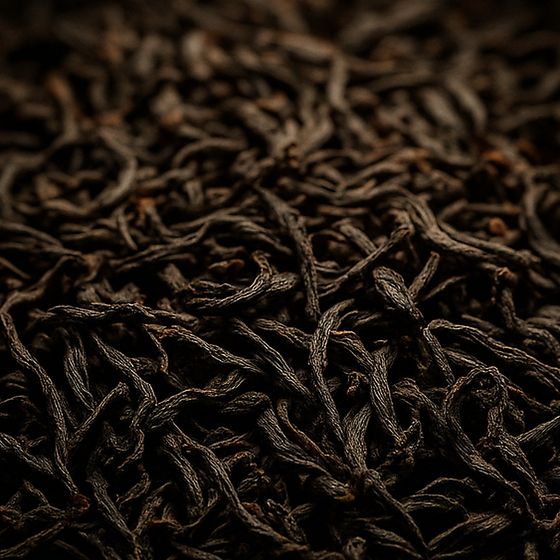
- Thin, slender, tightly rolled leaves mostly having sharp points and buds, jet-black and glossy (special grade)
- Синоніми
- Qimen tea, Qimen Hong Cha
Статус IFRA
Див. приміткуNo IFRA Standard for the material itself (51st Amendment)
У парфумерії
The results are meant to guide the improvement of black tea aroma quality.
Роль у формулі
01модифікатор
02фірмова нота
03формувач об’єму
04свіжість
Форми випуску
синтетичний акорд фантазійна нота
Див. також
7 ноти