Бузок

НатуральнийКВІТИквітковий · пудровий · солодкий
Ноти серцяПіраміда
—Сила
—Стійкість
—Походження
Зразок
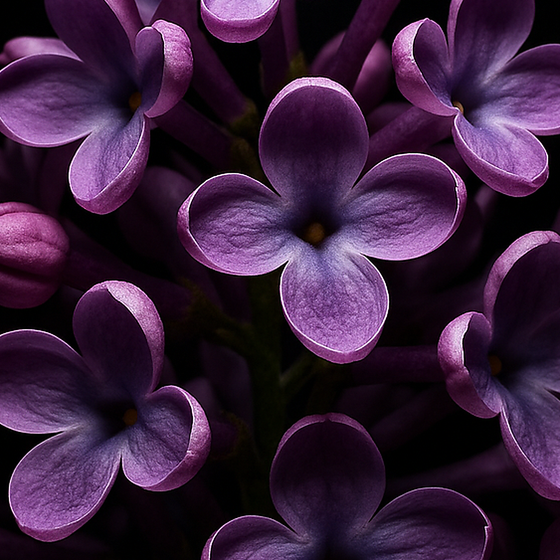
Бузок як парфумерна сировина
Ноти серця
Syringa vulgaris
Визначення

Lilac is a species of flowering plant in the olive family, Syringa vulgaris. Its scent is soft, floral and delicately sweet.

Floral
89
Vert
72
Doux
69
Poudré
46
Fruité
31
Boisé
46
common lilac
Type
Складник
Olfactive family
Квіткові
Source
flowers
Chemical class
complex natural
Інструменти
Піраміда
ВВерхні ноти
СНоти серця
ББазові ноти

Запах

Lilac is softer and more powdery than lavender or muguet, with a fresh, dewy charm. Its nuances are fresh and green-floral, with a hint of powderiness. The scent is reminiscent of blooming spring gardens. Its profile is gentle and romantic, and the flowers are sweet-smelling.

Теруар і походження

Докладно

Lilac, Syringa vulgaris, is a large deciduous shrub or multi-stemmed small tree, growing to 6-7 metres high. It is native to the Balkan Peninsula and is widely cultivated for its scented flowers in Europe, particularly the north and west, and in North America. The flowers are usually lilac to mauve, occasionally white. They are arranged in dense, terminal panicles 8-18 cm long. Syringa is a genus of 12 currently recognized species of flowering woody plants in the olive family, known colloquially as lilacs.

Explore all seven extraits in the Discovery Set.

Distribution and habitat

The species is native to the southern Balkan Peninsula, where it occurs in Serbia, North Macedonia, Bulgaria and bordering regions, chiefly south of the Danube. It grows on rocky hills. It has been naturalized in parts of Europe, Asia and North America.

Chemistry

The main volatile compounds identified in a Syringa vulgaris flower extract are the two stereoisomers lilac alcohol C and lilac alcohol D. The lilac alcohols, which are furane alcohols, represented more than 40% of the identified compounds. Benzyl alcohol, found in high amount in the flower extract, is another important compound responsible for the aromatic smell of lilac flowers. Twenty compounds were identified in the flower extract, and the lilac alcohols and benzyl alcohol were among those found in the highest amounts. The fruit extract is rich in fatty acids, while the leaf extract contains benzoic acid derivatives and phellandrene.

Cultivation

The lilac is a very popular ornamental plant in gardens and parks because of its attractive, sweet-smelling flowers. The flowers appear in early summer, just before many of the roses and other summer flowers come into bloom. Most garden plants of S. vulgaris are cultivars, and the majority do not exceed 4-5 m tall.

Uses

The flowers of common lilac are edible and used for flavoring honeys, sugars, food and other sweets.

Цікавий факт

The genus name Syringa comes from the Ancient Greek word syrinx, meaning "pipe" or "tube", and refers to the hollow branches of Syringa vulgaris. Lilac was selected as the state flower of New Hampshire.

Отримання й хімія

Формула
Complex natural mixture (key constituents: benzyl alcohol; lilac alcohol C; lilac alcohol D)
Ботанічна назва
Syringa vulgaris
Зовнішній вигляд
Flowers usually lilac to mauve, occasionally white
Синоніми
common lilac
Статус IFRA
Див. примітку

No IFRA Standard for the material itself (51st Amendment)

У парфумерії

4-Anisaldehyde is used in lilac accords, among others, because of its good tenacity. Terpineol smells pleasantly like lilac and is a common ingredient of perfumes, cosmetics and flavors.

Роль у формулі
01підсилювач дифузії
02модифікатор
03фірмова нота
04компонент піднесення
05сполучний компонент
06формувач об’єму
Форми випуску
абсолют

Див. також

7 ноти