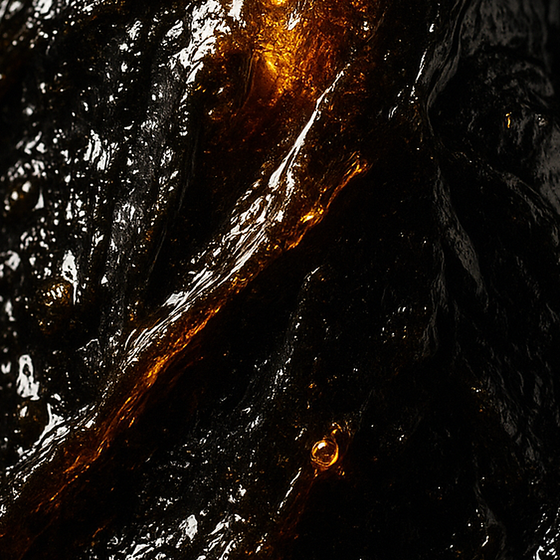
Сосновий дьоготь

НатуральнийДЕРЕВИНАдимний · деревний · шкіряний

Сім ароматівОдин із них дивиться на вас

Базові нотиПіраміда
—Сила
—Стійкість
2Походження
Зразок
Сосновий дьоготь як парфумерна сировина
Базові ноти
Визначення

Pine tar is a form of wood tar made from pine wood. In its rectified form it is a sweet, smoky, woody material.

Résineux
100
Balsamique
71
Doux
63
Boisé
62
Fumé
29
Chaleureux
33
Pine tar oil, wood tar oil
Type
Складник
Olfactive family
Деревні
Source
wood
Chemical class
aromatic hydrocarbons, tar acids, tar bases
Інструменти
Піраміда
ВВерхні ноти
СНоти серця
ББазові ноти
Країни-виробники
Швеція Фінляндія

Запах

The rectified material has a rounded character with leather facets. Pine tar has an odour that is phenolic and smoky. Rectified pine tar is also sweet and woody.

Теруар і зрілість

Докладно

Pine tar consists primarily of aromatic hydrocarbons, tar acids, and tar bases. Its components vary with the pyrolytic process (method, duration, temperature) and with the origin of the wood.

In a pine tar derived from Pinus nigra, 32 compounds have been identified, accounting for 95.5% of the total composition. The largest are methyl dehydroabietate at 22.44%, dehydroabietic acid at 14.59% and retene at 10.08%. These compounds primarily consist of resin acids and their derivatives, along with phenanthrene-based hydrocarbons.

Pine tar has a long history as a wood preservative, as a wood sealant for maritime use, in roofing construction and maintenance, in soaps, and in the treatment of carbuncles and skin diseases, such as psoriasis, eczema, and rosacea. It is used in baseball to enhance the grip of a hitter's bat. Pine tar served as a preservative on the bottoms of traditional Nordic-style skis until modern synthetic materials replaced wood in their construction, and it also helped waxes adhere. In veterinary care it serves particularly as an antiseptic and as a hoof care treatment for horses and cattle. Pine tar penetrates well into rough wood. Pine tar oil, or wood tar oil, is used for the surface treatment of wooden shingle roofs, boats, buckets, and tubs, and in the medicine, soap, and rubber industries.

—

Related: Amberwood · Andiroba · Bakhoor · Balsamic Notes · Benzoin Resinoid · Benzyl Benzoate · Benzyl Salicylate · Birch Tar

Цікавий факт

Chemical analysis strongly indicates that cone-shaped pits north of Uppsala, Sweden, were used to produce pine tar. The oldest of the dated pits, from 540-380 BCE, would be the world's oldest known tar production facility still in existence. A Finnish proverb says that if sauna, vodka and tar do not help, the disease is fatal.

Отримання й хімія

Спосіб отримання

The wood is carbonized at high temperature in anoxic conditions, by dry or destructive distillation. It is rapidly decomposed by applying heat and pressure in a closed container, and the primary products are charcoal and pine tar. Pine stumps and roots are used in the traditional production of pine tar. In Finland the traditional technique was tar burning in a pit, that is, dry distillation of wood. The volatile oil of pine tar is rectified by steam distillation.

Формула
Complex natural mixture (key constituents: methyl dehydroabietate; dehydroabietic acid; retene)
CAS
8011-48-1
Зовнішній вигляд
Blackish-brown viscous liquid
Синоніми
Pine tar oil, wood tar oil
Статус IFRA
Див. примітку

No IFRA Standard for the material itself (51st Amendment)

Фізичні властивості
Температура кипіння
150 to 400 °C
Температура спалаху
90 °C

У парфумерії

Rectified pine tar is a base note.

Роль у формулі
01модифікатор
02фірмова нота
03сполучний компонент
04формувач об’єму
05фіксатор
Форми випуску
стандартна форма

Див. також

6 ноти