


Сансевієрія
СинтетичнийЗЕЛЕНІ НОТИ, ТРАВИ Й ФУЖЕРНІ АКОРДИсвіжий · зелений · землистий
Ноти серцяПіраміда
—Сила
—Стійкість
—Походження
Зразок
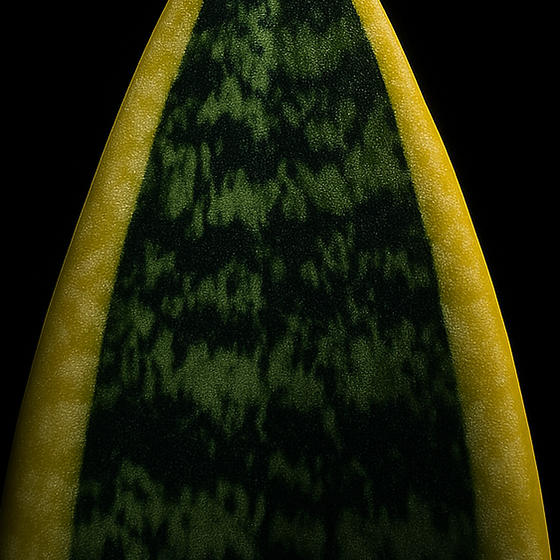
Dracaena trifasciata (syn. Sansevieria trifasciata)
Визначення
Sansevieria is a historically recognized genus of flowering plants, native to Africa, notably Madagascar, and southern Asia, now included in the genus Dracaena.
ДЕРЕВНИЙ КВІТКОВИЙ ЗЕЛЕНИЙ СВІЖИЙ
snake plant, mother-in-law's tongue, Saint George's sword, viper's bowstring hemp, devil's tongue, jinn's tongue
- Type
- Акорд
- Olfactive family
- Ароматичні
Інструменти
Піраміда
ВВерхні ноти
СНоти серця
ББазові ноти
Запах
В ароматах PREMIEREPEAU
Докладно
Цікавий факт
In Brazil, where Dracaena trifasciata is known as espada de São Jorge, it is grown outside houses to ward off evil that might harm the home. The NASA Clean Air Study found that it has the potential to filter indoor air. Its rate of filtration is too slow for practical indoor use.
Отримання й хімія
Спосіб отримання
The material is often defatted with a hydrocarbon solvent before the alcohol extraction.
- Ботанічна назва
- Dracaena trifasciata (syn. Sansevieria trifasciata)
- Синоніми
- snake plant, mother-in-law's tongue, Saint George's sword, viper's bowstring hemp, devil's tongue, jinn's tongue
Статус IFRA
Див. приміткуNo IFRA Standard for the material itself (51st Amendment)
У парфумерії
The IFRA Standards library holds no standard under the names sansevieria or snake plant.
Роль у формулі
01модифікатор
02сполучний компонент
03натуралізатор
04формувач об’єму
05свіжість
Форми випуску
синтетичний акорд фантазійна нота
Див. також
6 ноти