Маніок

АкордФРУКТИ, ОВОЧІ Й ГОРІХИземлистий · горіховий · свіжий
Базові нотиПіраміда
3/5Сила
—Стійкість
5Походження
Зразок
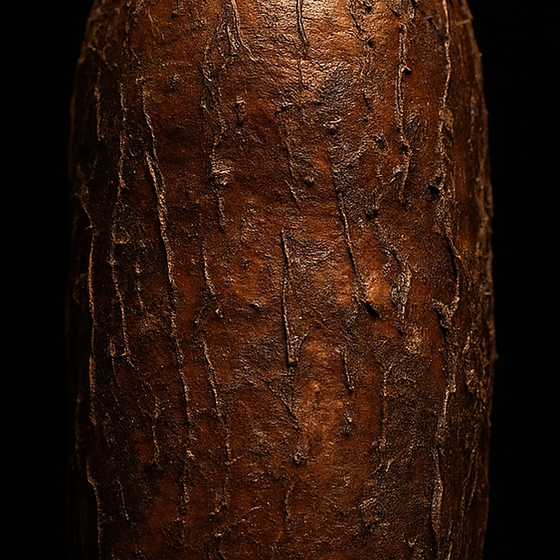
Маніок як парфумерна сировина
Базові ноти
Manihot esculenta
Фантазійний/концептуальний
Визначення

Starchy, neutral, with a faint earthy sweetness. More about texture and mouthfeel than aroma.

КВІТКОВИЙ ЗЕЛЕНИЙ ЗЕМЛИСТИЙ СОЛОДКИЙ ТЕПЛИЙ СВІЖИЙ ГОРІХОВИЙ
CASSAVA MANIOC BALINGHOY
Type
Акорд
Olfactive family
Землисті
Source
Fantasy/Concept
Chemical class
complex natural
Інструменти
Піраміда
ВВерхні ноти
СНоти серця
ББазові ноти
3/5Сила
Середня
інтенсивність запаху
Країни-виробники
Нігерія Таїланд Індонезія Бразилія Демократична Республіка Конго

Запах

Yuca Cassava has a distinct earthy and nutty aroma, like freshly harvested vegetables. The scent can be likened to a blend of raw potatoes and chestnuts. This profile can enrich fragrances with a comforting warmth, balancing brighter and more floral notes with its grounding presence.

Scent Evolution

The olfactory experience of Yuca Cassava unfolds in layers, initially presenting a clean, vegetable-like scent that subtly transitions into a deeper nutty warmth. As it develops, the earthy nuances become more pronounced. This contrast makes it a fascinating ingredient for perfumers looking to explore the beauty of natural scents.

Докладно

Yuca Cassava, also known as cassava or manioc, has been cultivated for thousands of years, particularly in South America, Africa, and parts of Asia. This root vegetable is a staple food in many tropical regions, known for high carbohydrate content and ability to thrive in poor soil conditions. Historically, cassava has played an important role in the diets of indigenous peoples and has been a significant crop for food security in developing countries.

Origin and Production

In perfumery, Yuca Cassava is not frequent as a primary ingredient but can add a unique earthy layered to fragrance compositions. Its aroma is, like freshly harvested vegetables, with a hint of nuttiness that can ground sweeter or morefloral notesThe use of Yuca Cassava in fragrances is often inspired by the desire to carries natural landscapes and the simplicity of unrefined ingredients.

Chemistry and Scent Profile

Sourcing Yuca Cassava involves selecting rootsthat are firm and unblemished, as they are highly perishable and prone to spoilage. The extraction method typically involves drying and grinding the root into a powder, which can then be infused into oils or used as a base in certain perfumery applications. Its ability to carry the essence of tropical climates makes it a fitting choice for summer fragrances or those aiming to capture a sense of adventure and exploration in their scent profiles.

Did You Know?

Yuca Cassava is not just a food source; it is also used to make tapioca, a popular ingredient in desserts and beverages.

Цікавий факт

Yuca Cassava is not just a food source; it is also used to make tapioca, a popular ingredient in desserts and beverages.

Отримання й хімія

Спосіб отримання

Fantasy note — no commercial essential oil exists for cassava. The scent is recreated using starchy, earthy synthetic accords.

Формула
N/A — complex tuber (contains linamarin C₁₀H₁₇NO₆, a cyanogenic glycoside)
CAS
N/A — no single CAS (root vegetable)
Ботанічна назва
Manihot esculenta
Зовнішній вигляд
Elongated brown-skinned tuber, white starchy flesh inside
Сила запаху
Середня
Синоніми
CASSAVA MANIOC BALINGHOY
Статус IFRA
Без обмежень

No known restrictions

Фізичні властивості
Нота
Starch content 25–35%. Must be processed (peeled, cooked) to remove cyanogenic glycosides.

У парфумерії

In perfumery, Yuca Cassava is a heart or base note, giving warm, earthy foundation that complements a variety of other ingredients. The grounding nature of Yuca Cassava makes it particularly effective in creating fragrances that convey comfort and intimacy, suitable for both men's and women's scents.

Роль у формулі
01модифікатор
02кістяк
03компонент піднесення
04сполучний компонент
05натуралізатор
06формувач об’єму
Форми випуску
синтетичний акорд фантазійна нота

Див. також

5 ноти