


Pine Tar
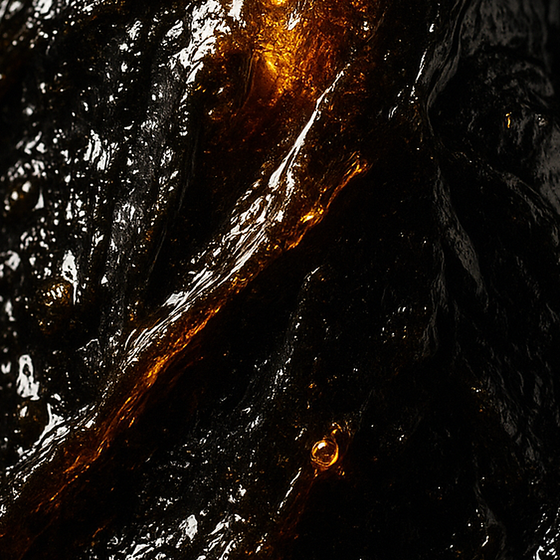
Pine tar is a form of wood tar made from pine wood. In its rectified form it is a sweet, smoky, woody material.
- Type
- Ingredient
- Olfactive family
- Woody
- Source
- wood
- Chemical class
- aromatic hydrocarbons, tar acids, tar bases
Miros
Terroir și maturitate
Pe larg
Merită știut
Chemical analysis strongly indicates that cone-shaped pits north of Uppsala, Sweden, were used to produce pine tar. The oldest of the dated pits, from 540-380 BCE, would be the world's oldest known tar production facility still in existence. A Finnish proverb says that if sauna, vodka and tar do not help, the disease is fatal.
Extracție și chimie
Metodă de extracție
The wood is carbonized at high temperature in anoxic conditions, by dry or destructive distillation. It is rapidly decomposed by applying heat and pressure in a closed container, and the primary products are charcoal and pine tar. Pine stumps and roots are used in the traditional production of pine tar. In Finland the traditional technique was tar burning in a pit, that is, dry distillation of wood. The volatile oil of pine tar is rectified by steam distillation.
- Formulă
- Complex natural mixture (key constituents: methyl dehydroabietate; dehydroabietic acid; retene)
- CAS
- 8011-48-1
- Aspect
- Blackish-brown viscous liquid
- Sinonime
- SMOALĂ DE PIN GUDRON DE LEMN ULEI DE GUDRON
No IFRA Standard for the material itself (51st Amendment)
- Punct de fierbere
- 150 to 400 °C
- Punct de inflamabilitate
- 90 °C
În parfumerie
Rectified pine tar is a base note.
Vedeți și
6 note