


Srednje notePiramida
—Jačina
—Trajnost
—Poreklo
Uzorak
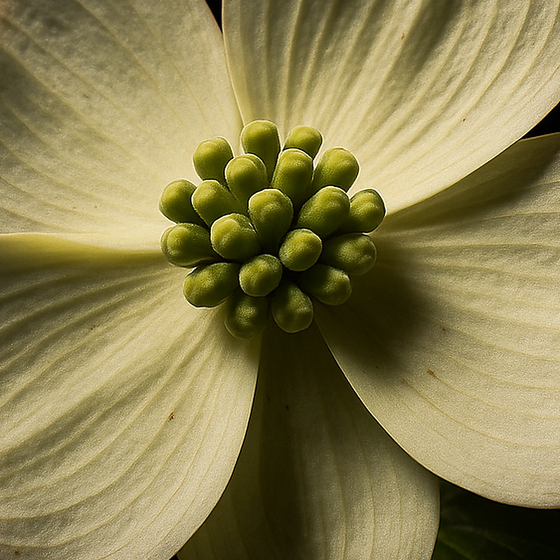
Cornus florida
Fantazijska/konceptualna
Definicija
Flowering dogwood is a small deciduous tree growing to 10 m (33 ft) high, often wider than it is tall when mature. The tree is native to eastern North America and northern Mexico.
DRVENAST CVETNI ZELEN SLADAK TOPAO SVEŽ
Flowering dogwood, American dogwood, Florida dogwood, Indian arrowwood, white dogwood, white cornel
- Type
- Akord
- Olfactive family
- Cvetni
- Source
- flowering tree
Instrumenti
Piramida
GGornje note
SSrednje note
BBazne note
U parfemima kuće PREMIEREPEAU
Detaljno
Zanimljivosti
A flowering dogwood flower head holds around 20 flowers in a dense, rounded cluster 1-2 cm (0.39-0.79 in) across. Cornus × rutgersensis, a horticultural hybrid, has the flowering dogwood and the Kousa dogwood as its parents.
Dobijanje i hemija
- Botanički naziv
- Cornus florida
- Sinonimi
- Flowering dogwood, American dogwood, Florida dogwood, Indian arrowwood, white dogwood, white cornel
Status prema standardima IFRA
Pogledajte napomenuNo IFRA Standard for the material itself (51st Amendment)
Pogledajte i
8 nota