


Чапараль
НатуральнийЗЕЛЕНІ НОТИ, ТРАВИ Й ФУЖЕРНІ АКОРДИземлистий · зелений · насичений
Ноти серцяПіраміда
—Сила
—Стійкість
2Походження
Зразок
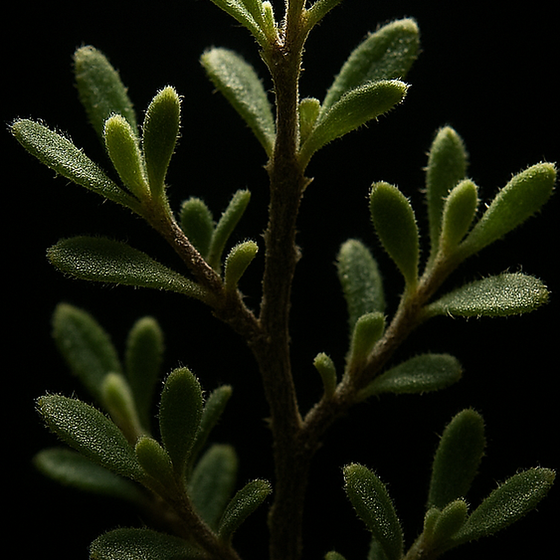
Larrea tridentata
Визначення
Chaparral is a shrubland plant community found primarily in California, southern Oregon and northern Baja California. The name is also often given to Larrea tridentata, the creosote bush, when it is used as a herbal remedy and supplement.
ЗЕЛЕНИЙ ЗЕМЛИСТИЙ СОЛОДКИЙ ТРАВ’ЯНИЙ ТЕПЛИЙ СВІЖИЙ СУХИЙ СМОЛИСТИЙ
creosote bush, creosotebush, hediondilla
- Type
- Складник
- Olfactive family
- Ароматичні
Інструменти
Піраміда
ВВерхні ноти
СНоти серця
ББазові ноти
Країни-виробники
Мексика Сполучені Штати
Запах
В ароматах PREMIEREPEAU
Докладно
Цікавий факт
The King Clone creosote ring in the central Mojave Desert is estimated to be 11,700 years old, making it one of the oldest living organisms on Earth. This single clonal colony of Larrea tridentata reaches up to 20 m in diameter, with an average diameter of 14 m.
Отримання й хімія
- Формула
- Complex natural mixture (key constituents: nordihydroguaiaretic acid C₁₈H₂₂O₄)
- Ботанічна назва
- Larrea tridentata
- Зовнішній вигляд
- Dark green, shiny leaflets; yellow flowers; reddish lac exuding from the plant
- Синоніми
- creosote bush, creosotebush, hediondilla
Статус IFRA
Див. приміткуNo IFRA Standard for the material itself (51st Amendment)
Див. також
7 ноти