Кам’яновугільна смола

ФАРМАЦЕВТИЧНІ РЕЧОВИНИ Й ХІМІЧНИЙ СИНТЕЗпромисловий побічний продукт · отриманий із кам’яного вугілля · хімічна сировина
Базові нотиПіраміда
—Сила
—Стійкість
—Походження
Зразок
Кам’яновугільна смола як парфумерна сировина
Базові ноти
Визначення

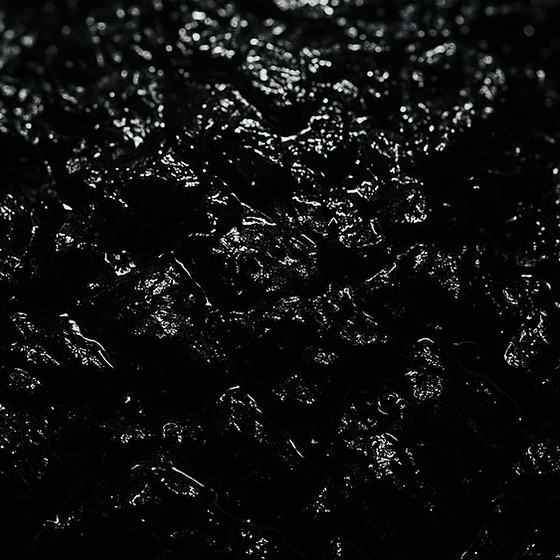
Coal tar is a viscous dark liquid that is a by-product of deriving coke and coal gas from coal. Naphthalene is its most abundant single component.

ЗЕМЛИСТИЙ ДИМНИЙ СОЛОДКИЙ ТЕПЛИЙ СУХИЙ СМОЛИСТИЙ
crude coal tar, liquor carbonis detergens, liquor picis carbonis, tarcoal
Type
Складник
Olfactive family
Смолисті
Source
coal (industrial byproduct)
Chemical class
chemical mixture
Інструменти
Піраміда
ВВерхні ноти
СНоти серця
ББазові ноти

Запах

Coal tar has a pungent odor. Naphthalene, a major component of the tar, has a strong odor of coal tar or mothballs, and it can be detected at concentrations as low as 0.08 ppm.

Докладно

Coal tar is a source of polycyclic aromatic hydrocarbons, including naphthalene, phenanthrene and pyrene. It also yields phenols, among them phenol and cresols, and nitrogen heterocycles such as pyridine, picolines, carbazole and quinolines. The composition of coal tar varies with coal type and processing, but typical coal tar is about 10% naphthalene by weight. Several of these compounds serve as starting materials for dyes, tartrazine among them, and for photographic materials.

The major uses of coal tars are carbon-based electrodes for aluminium processing, wood preservatives, resins for paints and coatings, and as a source of valuable organic compounds. Fractional distillation of coal tar recovered tar for roads, benzole as a motor fuel, creosote as a wood preservative, phenol for plastics and cresols as disinfectants. A creosote rich in naphtha smells of naphtha; with less naphtha it smells more of tar. Some phenolic coal tar derivatives have analgesic properties, among them acetanilide, phenacetin and paracetamol. Although not common, coal tar is used topically for relief from some skin conditions. As of 2011, 30 million tons of coal tar were obtained per year, half of which was processed as a source of chemicals.

The use of coal tar in cosmetic products was forbidden in the European Union by a directive in 2009. The residue from the distillation of high-temperature coal tar is classed as a substance of very high concern by the European Chemicals Agency.

Related: Amberwood · Andiroba · Bakhoor · Balsamic Notes · Benzoin Resinoid · Benzyl Benzoate · Benzyl Salicylate · Birch Tar

Цікавий факт

In 1856, William Henry Perkin discovered mauveine, the first commercial synthetic organic dye, while attempting to synthesise quinine. Coal tar was the major source of his raw material. The new purple became so popular that English humourists joked about "mauve measles". Perkin also found ways to make coumarin, one of the first synthetic raw materials of perfume.

Отримання й хімія

Спосіб отримання

Coal tar is produced by thermal destruction of coal (pyrolysis or carbonization), usually with the objective of obtaining coke. Its composition varies with the process and the type of coal used: lignite, bituminous or anthracite. Most commonly, bituminous coal is used. The tar is further processed, generating fractions of various applications. Distillation of coal tar yields an oil containing about 50% naphthalene, along with twelve other aromatic compounds. The oil is washed with aqueous sodium hydroxide to remove acidic components, chiefly various phenols, and with sulfuric acid to remove basic components, then fractionally distilled to isolate naphthalene.

Формула
Complex natural mixture (key constituents: naphthalene C₁₀H₈; phenol; cresols; pyridine)
CAS
8007-45-2
Зовнішній вигляд
black or dark brown liquid or high-viscosity semi-solid
Синоніми
crude coal tar, liquor carbonis detergens, liquor picis carbonis, tarcoal
Статус IFRA
Див. примітку

No IFRA Standard for the material itself (51st Amendment)

Фізичні властивості
Температура кипіння
105–355 °C
Температура спалаху
125 °C

У парфумерії

In soaps, tars from pine and coal, which have an odour as phenolic and smoky as that of birch bark tar, are more commonly used than birch tar as a medicating agent.

Роль у формулі
01лікувальний компонент
Форми випуску
стандартна форма

Див. також

8 ноти