


Сухе опале листя
АкордЗЕЛЕНІ НОТИ, ТРАВИ Й ФУЖЕРНІ АКОРДИземлистий · деревний · насичений
Базові нотиПіраміда
—Сила
—Стійкість
—Походження
Зразок
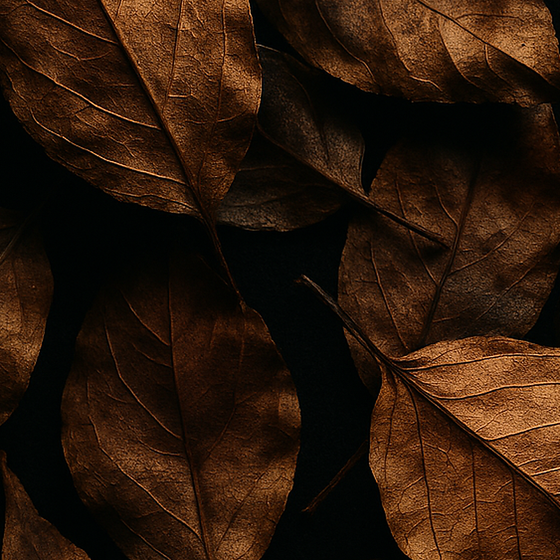
Фантазійний/концептуальний
Визначення
Fallen leaves are part of leaf litter, which is dead plant material such as leaves, bark, needles and twigs that has fallen on the top layer of soil.
ДЕРЕВНИЙ ЗЕМЛИСТИЙ СОЛОДКИЙ СУХИЙ
- Type
- Акорд
- Olfactive family
- Ароматичні
Інструменти
Піраміда
ВВерхні ноти
СНоти серця
ББазові ноти
Запах
В ароматах PREMIEREPEAU
Докладно
Отримання й хімія
Спосіб отримання
Patchouli oil is obtained by steam distillation of the dried leaves and twigs. An absolute is made by extracting plant material with a hydrocarbon solvent to give a concrete, extracting the concrete with ethanol, cooling and filtering the extract to remove waxes, and evaporating the ethanol. Decolorized tobacco absolute is made from burley leaves that are harvested in summer and air-cured in the shade.
Статус IFRA
Див. приміткуNo IFRA Standard for the material itself (51st Amendment)
У парфумерії
Patchouli oil is used widely in modern perfumery.
Роль у формулі
01модифікатор
02кістяк
03фірмова нота
04сполучний компонент
05натуралізатор
06формувач об’єму
Форми випуску
парфумерний акорд
Див. також
7 ноти