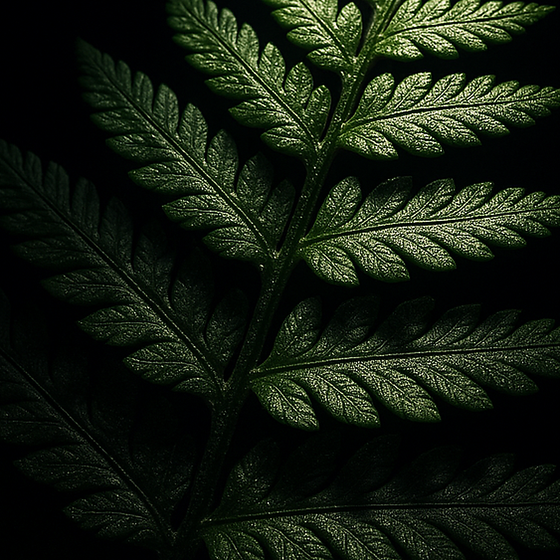
Фужерний акорд

АкордЗЕЛЕНІ НОТИ, ТРАВИ Й ФУЖЕРНІ АКОРДИземлистий · свіжий · деревний
Ноти серцяПіраміда
—Сила
—Стійкість
—Походження
Зразок
Фужерний акорд як парфумерна сировина
Ноти серця
Фантазійний/концептуальний
Визначення

Fougère is one of the main olfactive families of perfumes. Its name comes from the French word for fern. Its top notes are sweet, with the scent of lavender flowers.

ДЕРЕВНИЙ ЗЕМЛИСТИЙ СОЛОДКИЙ ТЕПЛИЙ СВІЖИЙ СУХИЙ ВЕРШКОВИЙ
Fougère
Type
Акорд
Olfactive family
Ароматичні
Source
accord (lavender-coumarin-oakmoss blend)
Інструменти
Піраміда
ВВерхні ноти
СНоти серця
ББазові ноти

Запах

Oakmoss, derived from a species of lichen, is described as woody, sharp and slightly sweet. Coumarin has a sweet, haylike scent that is similar to the scent of new-mown hay. Its sweet odor also resembles the scent of vanilla. Georges Darzens described isoamyl salicylate as smelling of a blossoming clover field in the warmth of August. Aromatic fougère contains additional notes of herbs, spice and/or wood. Many modern fougère perfumes have various citrus, herbaceous, green, floral and animalic notes included.

Докладно

The English term fougère was first used to refer to perfume in 1882, with the release of the first perfume of this family. The French word was inherited from Old French fulgiere, which in turn originates from the Vulgar Latin filicaria and Classical Latin filix. The fougère genre was established in 1882 with the creation of a perfume composed by the perfumer Paul Parquet. That perfume quickly gained popularity among male consumers, particularly dandies and refined urban men. It was discontinued in the 1950s, but its central accord of oakmoss, coumarin and lavender was re-used and adapted into many other fragrances. The perfume was later added to the scent archives known as the Osmothèque in Versailles, France, and was re-introduced in 2010.

Coumarin was first isolated from tonka beans in 1820. William Henry Perkin first synthesized it in 1868. Coumarin has been an integral part of the fougère genre of perfume since it was first used in the 1882 perfume that founded the genre. That perfume is considered one of the first modern perfumes for its usage of synthetic aromachemicals. Paul Parquet became joint owner of the fragrance house in 1880 and created that perfume in 1882. Coumarin is a colorless crystalline solid that melts at 71 °C. Humans metabolize coumarin mainly to 7-hydroxycoumarin, a compound of lower toxicity. Its name comes from coumarou, the French word for the tonka bean, which in turn comes from the Old Tupi word for the tree, kumarú. A. Vogel of Munich and Nicholas Guibourt of France isolated it independently in 1820; Vogel at first mistook it for benzoic acid, while Guibourt recognized that it was a new substance and named it coumarine.

Oakmoss (Evernia prunastri) is a species of lichen found in many mountainous temperate forests throughout the Northern Hemisphere. It grows primarily on the trunk and branches of oak trees, but is also commonly found on the bark of other deciduous trees and conifers such as fir and pine. Isoamyl salicylate was added to the fougère skeleton in 1898.

The result was an abstract composition, a radical departure from the late 19th-century taste for realistic evocations of particular flowers. It opens with fresh top notes of lavender and bergamot, develops into a heart of geranium and finishes on a base of coumarin, oakmoss and vetiver.

—

Related: 4 Methylanisole · Almaciga · Arnica · Assam Tea · Calycanthus · Camphor · Canvas · Carvone

Отримання й хімія

Спосіб отримання

Fougère perfumes are made with a blend of fragrances. Oakmoss is commercially harvested in countries of South-Central Europe and usually exported to the Grasse region of France, where its fragrant compounds are extracted as oakmoss absolutes and extracts. Coumarin can be prepared by a number of name reactions, with the Perkin reaction between salicylaldehyde and acetic anhydride being a popular example. In the Perkin reaction, salicylaldehyde is converted to coumarin using acetic anhydride with acetate as base.

Синоніми
Fougère
Статус IFRA
Див. примітку

No IFRA Standard for the material itself (51st Amendment)

У парфумерії

Fougère perfumes are especially popular as fragrances for men. The most common additions to the basic fragrance blend include vetiver and geranium. Bergamot is often present to add sharpness to the lavender top-note. Oakmoss absolutes and extracts are often used as perfume fixatives and form the base notes of many fragrances. Oakmoss absolutes and extracts are also key components of Fougère and Chypre class perfumes. Fougère was also used to scent cosmetics and toiletries, although its popularity for this purpose has declined since its height. The use of oakmoss in perfumes is now highly restricted by International Fragrance Association regulations, and many scents have been reformulated in recent years with other chemicals substituted for oakmoss. Pseudevernia furfuracea is used as a substitute for oakmoss in perfumery. Coumarin is subject to restrictions on its use in perfumery, as some people may become sensitized to it. The evidence that coumarin can cause an allergic reaction in humans is disputed.

Роль у формулі
01модифікатор
02кістяк
03фірмова нота
04компонент піднесення
05формувач об’єму
06свіжість
Форми випуску
синтетичний акорд фантазійна нота

Див. також

6 ноти