Тирлич жовтий

НатуральнийКОРЕНІ Й МОХИтрав’яний · гіркий

Сім ароматівОдин із них дивиться на вас

Ноти серцяПіраміда
—Сила
—Стійкість
1Походження
Зразок
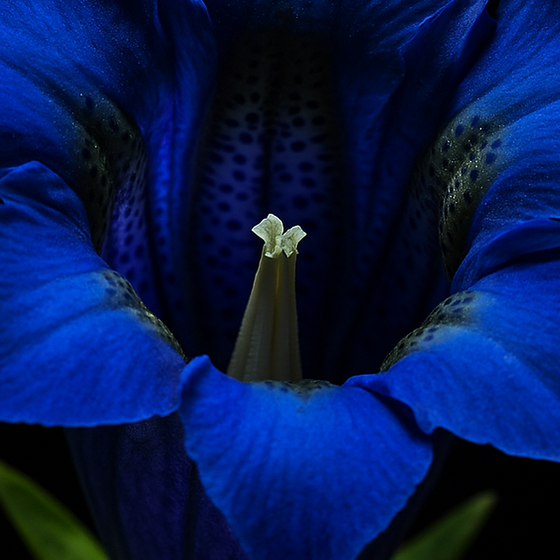
Тирлич жовтий як парфумерна сировина
Ноти серця
Gentiana lutea
Визначення

Encian is gentian root extract from Gentiana lutea, the great yellow gentian, with a herbaceous, bitter odour. Gentian root extract comes from Gentiana lutea, the great yellow gentian, and has a herbaceous, bitter odour. Gentian root has a long history of use as a herbal bitter.

ТРАВ’ЯНИСТИЙ ГІРКИЙ
bitter root, Enzianwurzel, pale gentian, yellow gentian, great yellow gentian
Type
Складник
Olfactive family
Трав’яні
Source
roots
Chemical class
complex natural (root extract)
Інструменти
Піраміда
ВВерхні ноти
СНоти серця
ББазові ноти
Країни-виробники
Франція

Запах

The odour of gentian root extract is described as herbaceous and bitter.

Регулювання й зміни формул

Докладно

Gentiana lutea, the great yellow gentian, is a species of gentian native to the mountains of central and southern Europe. Its range includes the Alps, the Carpathians (where scarce), the Pyrenees, the Apennines and the mountains of the Balkan Peninsula. Gentiana lutea is a herbaceous perennial plant growing to 1-2 m tall. It grows in grassy alpine and sub-alpine pastures, usually on calcareous soils, at altitudes of up to 2500 m. Flowering is from June to August.

The plant is remarkable for the intense bitterness of the root and every part of the herbage. The root is long and thick, usually about 30 cm long and 2.5 cm in diameter, and yellowish-brown in colour and very bitter in taste. The rhizome and roots are collected in autumn and dried.

The bitter principles of gentian root are the secoiridoid glycosides amarogentin and gentiopicrin. Amarogentin is one of the most bitter natural compounds known and is used as a scientific basis for measuring bitterness. Its chemical formula is C₂₉H₃₀O₁₃ and its molar mass is 586.546 g/mol. In humans, it activates the bitter taste receptor TAS2R50. The dried root contains small amounts of secoiridoid glycoside (2 to 3%).

The yellow gentian is a wild plant harvested for its roots at the age of 20 to 30 years old. Wild root production is currently estimated at around 2,000 t per year. The species is endangered in some regions, although as a whole it is not threatened. In the Auvergne area the plants are now cultivated in view of their protected status, and they are no longer harvested from the wild in the Auvergne mountains. Its native distribution also includes Portugal, northern Spain, the Cevennes, central France, southern Germany and northern and western Anatolia. A subspecies, Gentiana lutea ssp. symphyandra, grows only in the high mountains of the Western Balkan, where exploitation of its root without control has sharply reduced natural populations in most of the mountains investigated.

Gentian was used occasionally in brewing. Gentian root is an ingredient of many proprietary medicines. It is used in France to produce a number of bitter liqueurs.

—

Related: Accord Eudora · African Marigold · Alpha Amylcinnamaldehyde · Alyssum · Angels Trumpet · Aquaflora · Ashoka Flower · Aurantiol

Отримання й хімія

Спосіб отримання

The extract is made from the rhizomes and roots of Gentiana lutea. The derivatives of the dried root are infusion (2%), fluid extract, soft and dried aqueous extracts, and tincture (20 % in 60% ethanol).

Формула
Complex natural mixture (key constituents: amarogentin C₂₉H₃₀O₁₃; gentiopicrin)
CAS
72968-42-4
Ботанічна назва
Gentiana lutea
Зовнішній вигляд
Brown to dark brown liquid
Синоніми
bitter root, Enzianwurzel, pale gentian, yellow gentian, great yellow gentian
Статус IFRA
Див. примітку

No IFRA Standard for the material itself (51st Amendment)

Фізичні властивості
Відносна густина
1.01920 to 1.09920 @ 25 °C
Показник заломлення
1.36980 to 1.40180 @ 20 °C

У парфумерії

Among the cosmetic ingredient functions of gentian root extract is fragrance. A supplier places the extract among flavor and fragrance chemical compounds and gives skin conditioning as its use.

Роль у формулі
01модифікатор
02фірмова нота
03сполучний компонент
04формувач об’єму
Форми випуску
настоянка екстракт

Див. також

6 ноти