Козяча шерсть

НатуральнийМУСКУС, АМБРОВИЙ АКОРД, ТВАРИННІ ЗАПАХИмускусний · теплий · тваринний
Базові нотиПіраміда
—Сила
—Стійкість
·Походження
Зразок
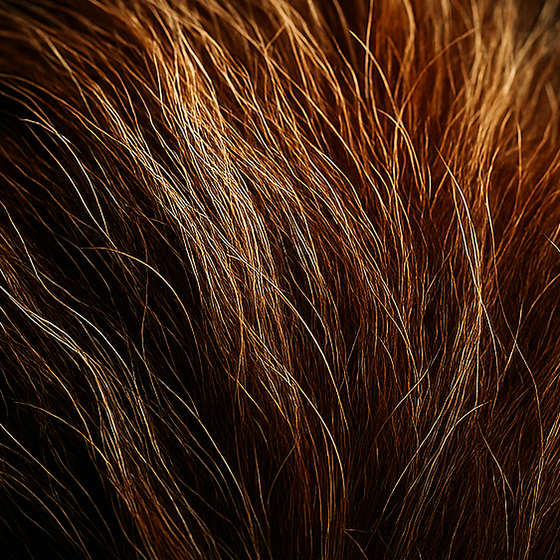
Козяча шерсть як парфумерна сировина
Базові ноти
Capra hircus (synonym Capra aegagrus hircus)
Визначення

Goat hair is the hair of goats, the source of textile fibres such as mohair and cashmere. Male goats carry a goaty odour, and a main ingredient of it is 4-ethyloctanoic acid.

КВІТКОВИЙ ЦИТРУСОВИЙ ЗЕМЛИСТИЙ СОЛОДКИЙ ТВАРИННИЙ ТЕПЛИЙ
Type
Акорд
Olfactive family
Амброві й мускусні
Source
Animal (goat hair)
Інструменти
Піраміда
ВВерхні ноти
СНоти серця
ББазові ноти
Країни-виробники
N/A: нюховий акорд

Запах

4-Ethyloctanoic acid showed a strong goaty odour at low concentration. 4-Ethyloctanal has a citrus tang.

Докладно

The domestic goat (Capra hircus) is a species of caprine that is mostly kept as livestock. It was domesticated from the wild goat of Southwest Asia and Eastern Europe.

Origin and Production

Most goats have soft insulating hairs nearer the skin, and long guard hairs on the surface. The soft hairs are the ones valued by the textile industry. Mohair is a fabric or yarn made from the hair of the Angora goat. Mohair fiber is approximately 25-45 micrometres in diameter. Angora goats are sheared twice a year, in the spring and in the fall. A single Angora goat yields 5 to 7.5 kilograms of mohair a year. South Africa produced 51% of the 2022 global mohair clip of about 4,550 tonnes, and Lesotho 16%. Fibre from young goats is the softest and is made into clothing yarn, while fibre from mature goats is used for rugs and carpets. Cashmere wool is a fiber obtained from cashmere goats, pashmina goats and some other breeds of goat. The cashmere goat's wool is harvested once a year. Cashmere wool is collected during the spring moulting season when the goats naturally shed their winter coat. A goat fibre counts as cashmere only if it is under 18.5 micrometres in diameter and at least 3.175 centimetres long. China is the largest producer of raw cashmere, at an estimated 19,200 metric tons of hair in 2016, followed by Mongolia with 8,900 tons.

Chemistry and Scent Profile

Sebaceous scent glands at the base of the horns add to the male goat's odour. A buck in rut urinates on his forelegs and face. In goats, it is the hair of males, not the urine, that shows "male effect" pheromone activity. Male goat pheromone is primarily synthesized in the head skin. Several chemicals are specific to intact male goats, and one of them, 4-ethyloctanal, can activate the gonadotropin-releasing hormone pulse generator in the female brain. 4-Ethyloctanal oxidizes to 4-ethyloctanoic acid. Five unusual 4-ethyl fatty acids were estimated to be main constituents of the sebaceous gland secretion of the male goat. These acids exist in both free state and ester form.

Explore all seven extraits in the Discovery Set.

—

Related: Aldambre · Ambrarome · Ambrein · Ambreine · Ambrettolide · Ambronova · Ammonia · Animal Notes

Цікавий факт

The pheromone 4-ethyloctanal had never been demonstrated in nature before it was found in male goats. Caprylic acid, also called octanoic acid, takes its name from the Latin capra, goat.

Отримання й хімія

Спосіб отримання

Researchers collected the scent of male goats with a custom-made head cap, gathering volatiles for one week. Organic solvent extracts of male goat hair retain its pheromone activity.

Ботанічна назва
Capra hircus (synonym Capra aegagrus hircus)
Статус IFRA
Див. примітку

No IFRA Standard for the material itself (51st Amendment)

Див. також

7 ноти