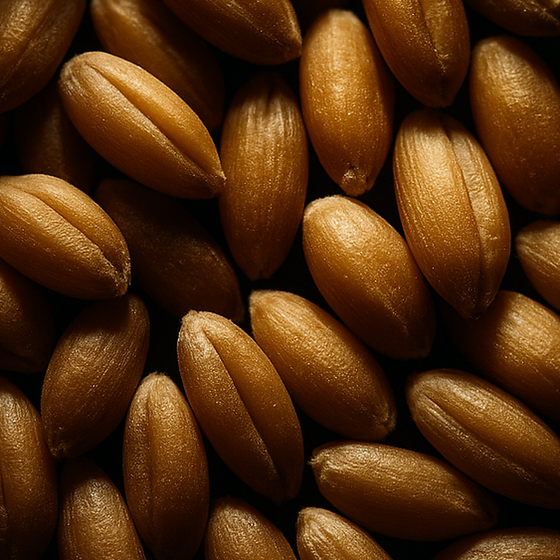
Злаки

АкордФРУКТИ, ОВОЧІ Й ГОРІХИтеплий · вершковий · землистий
Базові нотиПіраміда
3/5Сила
>200годСтійкість
3Походження
Зразок
Злаки як парфумерна сировина
Базові ноти
N/A — encompasses wheat (Triticum), barley (Hordeum), oat (Avena), rice (Oryza), etc.
Фантазійний/концептуальний
Визначення

Grains are seeds from various plants, often used in food and perfumery for their unique aromas.

СОЛОДКИЙ ТЕПЛИЙ СВІЖИЙ ВЕРШКОВИЙ ГОРІХОВИЙ
cereal grains, seeds
Type
Акорд
Olfactive family
Гурманські
Source
seeds (cereal grains)
Chemical class
fantasy note (accord)
Інструменти
Піраміда
ВВерхні ноти
СНоти серця
ББазові ноти
3/5Сила
Середня
інтенсивність запаху
Стійкість на блотері
>200годин · 8 днів
1 год6 год24 год3 дн.7 дн.400 год
Країни-виробники
Азія Європа Північна Америка

Запах

Grains possess a warm, slightly sweet scent profile that can be, like freshly baked bread or cooked grains. The aroma is often comforting and wholesome.

Scent Evolution

When smelling grains, one might detect subtle nutty undertones along with hints of earthiness. This combination can create a rich, rounded scent that feels both grounding and nourishing. In some cases, grains may also impart a creamy texture to the fragrance.

Signature Accords

As grains evolve in a fragrance composition, their warmth can enhance the overall complexity. The resulting aroma can carry a sense of nostalgia, transporting one to serene fields or bustling bakeries.

Докладно

Grains are the seeds of various plants, particularly those cultivated as cereals. Historically, grains have been a staple in human diets. In perfumery, grains are increasingly recognized for their unique olfactory properties. They can carry memories of warmbread, creamy desserts, or even earthy fields.

Explore all seven extraits in the Discovery Set.

Origin and Production

Grains such as wheat, barley, and rice can be processed to extract their aromatic qualities. These ingredients can contribute a variety of scents that are often comforting and familiar. The use of grains in perfumery is about their scent and their cultural significance, as they remind us of harvests, home-cooked meals, and the warmth of shared experiences around dining tables.

Chemistry and Scent Profile

Sourcing grains for perfumery typically involves careful selection and cultivation. While grains may not be as frequent as floral orwoody notes, they bring a character to fragrances that can supports warmth.

Role in Perfumery

The significance of grains in perfumery continues to grow as more perfumers explore unconventional notes. Their ability to carries a sense of place and memory makes them a valuable addition to modern fragrance compositions.

Did You Know?

Grains have been used in various cultures for centuries, often symbolizing abundance and fertility.

Отримання й хімія

Спосіб отримання

Not directly extracted; grain/cereal accords built from synthetic molecules

Формула
N/A — olfactory category
CAS
N/A — olfactory category, not a single ingredient
Ботанічна назва
N/A — encompasses wheat (Triticum), barley (Hordeum), oat (Avena), rice (Oryza), etc.
Зовнішній вигляд
pale yellow to brown liquid
Сила запаху
Середня
Стійкість
> 200 hours
Синоніми
cereal grains, seeds
Статус IFRA
Без обмежень

No known restrictions

Фізичні властивості
Нота
Grains is a collective perfumery note; key odorants include 2-acetyl-1-pyrroline (roasted grain), maltol (caramelized cereal)

У парфумерії

In perfumery, grain notes typically serve as heart or base notes, providing warmth and depth to fragrance compositions. They often works with gourmand notes, florals, and woods, reinforcing the structure of the scent. Grains can also be used to create a more rounded and cohesive fragrance, allowing other notes to shine while grounding the blend. Perfumers appreciate grains for their ability to carries familiar sensations and memories, making them an excellent choice for creating comforting and inviting fragrances. Their versatility allows for innovation in scent creation, enabling perfumers to craft unique compositions that connects on an emotional level.

Роль у формулі
01модифікатор
02сполучний компонент
03формувач об’єму
04свіжість
Форми випуску
синтетичний акорд фантазійна нота

Див. також

6 ноти