


Анігозантос
АкордКВІТИквітковий · свіжий · зелений
Ноти серцяПіраміда
—Сила
—Стійкість
1Походження
Зразок
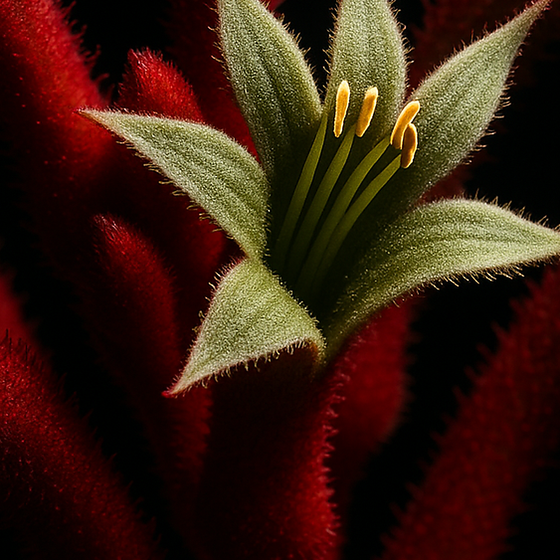
Anigozanthos
Фантазійний/концептуальний
Визначення
Kangaroo paw is the common name of the plants of the genus Anigozanthos, which belongs to the bloodwort family Haemodoraceae. All 11 species are endemic to the south west of Western Australia.
ДЕРЕВНИЙ КВІТКОВИЙ ЗЕЛЕНИЙ СОЛОДКИЙ СВІЖИЙ МЕДОВИЙ
wallaby paw
- Type
- Акорд
- Olfactive family
- Квіткові
Інструменти
Піраміда
ВВерхні ноти
СНоти серця
ББазові ноти
Країни-виробники
Австралія
В ароматах PREMIEREPEAU
Докладно
Цікавий факт
Different species of kangaroo paw usually deposit pollen on different areas of the birds' head. This means that pollen from one species is unlikely to be deposited in the flowers of another species. A single plant of the tall kangaroo paw, Anigozanthos flavidus, may produce over 350 flowers on up to 10 long stems.
Отримання й хімія
- Ботанічна назва
- Anigozanthos
- Зовнішній вигляд
- Tubular flowers covered in coloured hairs, ranging from almost black to yellow, orange and red
- Синоніми
- wallaby paw
Статус IFRA
Див. приміткуNo IFRA Standard for the material itself (51st Amendment)
Див. також
7 ноти