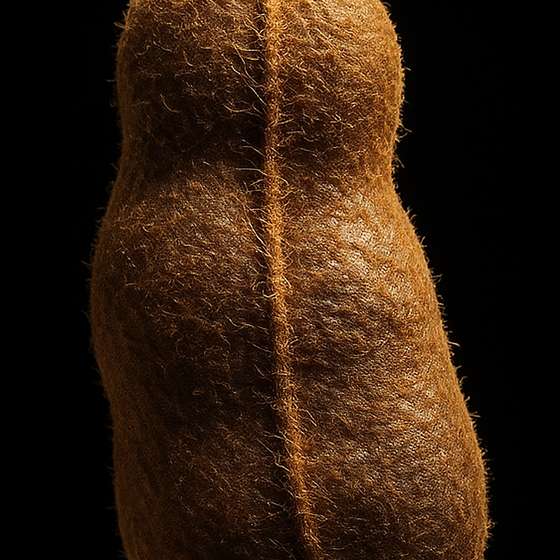
Мескіт

АкордДЕРЕВИНА Й МОХИдеревний · насичений · димний
Базові нотиПіраміда
—Сила
—Стійкість
2Походження
Зразок
Мескіт як парфумерна сировина
Базові ноти
Neltuma glandulosa (formerly Prosopis glandulosa)
Фантазійний/концептуальний
Визначення

Mesquite is a common name for some plants in the genera Neltuma and Strombocarpa, spiny, deep-rooted leguminous shrubs and small trees native to dry areas in the Americas.

ЗЕМЛИСТИЙ ДИМНИЙ СОЛОДКИЙ ШКІРЯНИЙ ТЕПЛИЙ ПРОХОЛОДНИЙ
Mezquite, mezquit
Type
Акорд
Olfactive family
Деревні
Source
Mesquite trees and shrubs of the genera Neltuma and Strombocarpa
Chemical class
Phenols (guaiacol, syringol) formed by the pyrolysis of lignin and present in wood smoke
Інструменти
Піраміда
ВВерхні ноти
СНоти серця
ББазові ноти
Країни-виробники
Мексика Сполучені Штати

Запах

Mesquite extract has a smoky odour type. Its smell is spicy and smoky-phenolic, savory, woody and ashy, with a cooked meaty afternote.

Докладно

Until 2022, Neltuma and Strombocarpa were traditionally included in a broad view of the genus Prosopis, but that genus is now restricted to a few species native to the Old World. Mesquites have been in North America since the Pliocene era. They are thought to have evolved with extinct megafauna, which ate their fruit and dispersed their seeds. With the arrival of cattle to the New World, mesquites gained a new seed disperser and were able to increase in abundance.

Honey mesquite is Neltuma glandulosa, formerly Prosopis glandulosa, a species of small to medium-sized, thorny shrub or tree in the legume family. It is primarily native to the Southwestern United States and Northern Mexico. This tree normally reaches 20-30 ft (6.1-9.1 m), but can grow as tall as 50 ft (15 m). It flowers from March to November, with pale, yellow, elongated spikes. It bears straight seedpods, which are yellow or maroon. Its seeds are eaten by a variety of animals, such as scaled quail. Honey mesquite is a honey plant that supports native pollinator species of bees and other insects, and cultivated honey bees.

Mesquite pods are dry and often sweet, and are edible for humans and livestock. They served as a staple food for indigenous peoples in the deserts of North America. Once the pod is dry, the whole pod can be ground into flour and made into bread. The Cahuilla and Tohono O'odham indigenous peoples of western North America were known to use mesquite as a staple food. Mesquite wood was a popular type of wood used by early Spaniards to build ships, but is now used most commonly for high-end rustic furniture and cabinets. In Calvinia, in the Northern Cape province of South Africa, where the trees were once considered invasive, the mesquite pods are now being turned into coffee. In the Southwest United States and Mexico, native and South American species are planted as drought-tolerant shade trees.

Honey mesquite has been intentionally introduced into at least a half-dozen countries, including Australia, Botswana, Namibia and South Africa. The IUCN considers it one of the world's 100 worst invasive species outside its native habitat range. Livestock that graze on the sweet pods spread the seeds, and because buds lie dormant underground, permanent removal is difficult. A felled single-trunked tree is soon replaced by a multi-trunked one. In the United States, native mesquites are now the dominant woody plant on 38,000,000 hectares (94,000,000 acres) of semiarid grasslands.

Guaiacol and syringol are both present in wood smoke, and both result from the pyrolysis of lignin. Syringol is derived from the thermal decomposition of the sinapyl alcohol component of lignin. Pyrolysis of lignin from gymnosperms gives more guaiacol, while a high syringyl content is indicative of lignin from angiosperms. Sensory analysis of condensed smoke from a mixed hardwood, not from mesquite specifically, found eight main aroma attributes: ashy, burnt-sulfurous, creosote, green-woody, pungent, smoky, spicy-sweet and woody. In that smoke, guaiacol smells of clove and vanilla, and syringol of ash and smoke.

Explore all seven extraits in the Discovery Set.

—

Related: Akigalawood · Ambrocenide · Amyris · Asphalt · Birch · Burnt Match · Cascarilla · Cedarwood

Отримання й хімія

Спосіб отримання

Phenolic compounds in smoke are formed from the pyrolysis of lignin. The condensed products from the destructive distillation of wood are called liquid smoke or pyroligneous acid. Wood, particularly hardwood, is by far the biomass most commonly pyrolyzed to make liquid smoke. Water added during or after condensation separates the condensate into three fractions, and the aqueous phase is the largest. The process type and conditions change the composition of the condensates more than the choice among common wood types does. Liquid smoke is available as pure condensed smoke from various types of wood.

Формула
Complex natural mixture (key constituents: guaiacol C₇H₈O₂; syringol C₈H₁₀O₃)
Ботанічна назва
Neltuma glandulosa (formerly Prosopis glandulosa)
Синоніми
Mezquite, mezquit
Статус IFRA
Див. примітку

No IFRA Standard for the material itself (51st Amendment)

У парфумерії

Honey mesquite wood smoke is used within its native range to flavor meats cooked over a mesquite fire. Scraps and small pieces of mesquite wood are commonly used as wood for cooking with smoke in the United States. Liquid smoke is a flavoring used to substitute for cooking with wood smoke. In food prepared by smoking, syringol is the main chemical responsible for the smoky aroma, while guaiacol contributes mainly to taste. Artificial liquid or solid smoke flavorings also contain syringol and guaiacol, on average composing 13.73% and 13.42% of those products by mass respectively.

Роль у формулі
01модифікатор
02кістяк
03фірмова нота
04натуралізатор
05формувач об’єму
Форми випуску
синтетичний акорд фантазійна нота

Див. також

8 ноти