


Місвак
АкордДЕРЕВИНА Й МОХИдеревний · свіжий · фруктовий
Базові нотиПіраміда
—Сила
—Стійкість
—Походження
Зразок
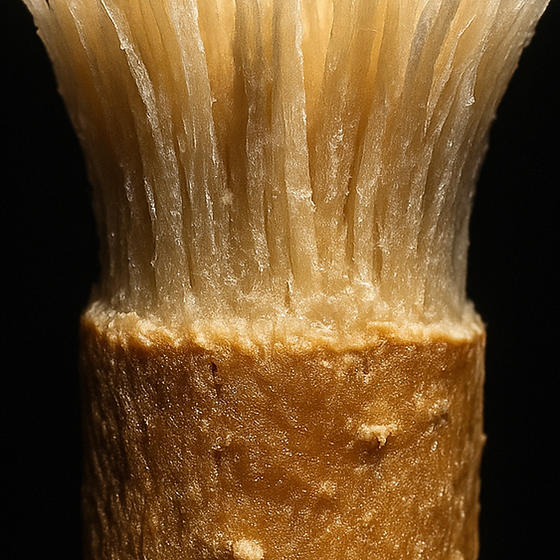
Salvadora persica
Фантазійний/концептуальний
Визначення
Miswak is a chewing stick made from the roots and twigs of Salvadora persica, the toothbrush tree. The plant has a robust aroma of cress or mustard.
ДЕРЕВНИЙ КВІТКОВИЙ СОЛОДКИЙ ФРУКТОВИЙ ТРАВ’ЯНИЙ ТЕПЛИЙ СВІЖИЙ
Siwak, arak, misvak
- Type
- Акорд
- Olfactive family
- Деревні
- Source
- Roots and twigs of Salvadora persica
Інструменти
Піраміда
ВВерхні ноти
СНоти серця
ББазові ноти
Запах
В ароматах PREMIEREPEAU
Докладно
Отримання й хімія
Спосіб отримання
Essential oils have been extracted from the fresh and dried roots of Salvadora persica. Oil quantity and the content of benzyl isothiocyanate are significantly higher in the oil of fresh roots.
- Формула
- Complex natural mixture (key constituents: benzyl isothiocyanate C₈H₇NS; benzyl nitrile C₈H₇N; benzaldehyde C₇H₆O)
- Ботанічна назва
- Salvadora persica
- Зовнішній вигляд
- Pencil-sized stick, 15 to 20 cm long, 1 to 1.5 cm in diameter
- Синоніми
- Siwak, arak, misvak
Статус IFRA
Див. приміткуNo IFRA Standard for the material itself (51st Amendment)
Див. також
7 ноти