Ониха

НатуральнийМУСКУС, АМБРОВИЙ АКОРД, ТВАРИННІ ЗАПАХИтеплий · бальзамічний · амбровий
Базові нотиПіраміда
—Сила
—Стійкість
—Походження
Зразок
Ониха як парфумерна сировина
Базові ноти
Debated — possibly Styrax benzoin (resin), Cistus ladanifer or Cistus creticus (labdanum), or marine operculum
Визначення

Onycha is one of the four ingredients of the sacred incense of the Book of Exodus, and its identity is not determined with absolute certainty. It is variously described as the operculum of a shell from the Red Sea, as labdanum from the rock rose, as Styrax benzoin, as bdellium, or even as cloves.

СОЛОДКИЙ АМБРОВИЙ ТВАРИННИЙ ТЕПЛИЙ СМОЛИСТИЙ БАЛЬЗАМІЧНИЙ
Shecheleth
Type
Складник
Olfactive family
Амброві й мускусні
Інструменти
Піраміда
ВВерхні ноти
СНоти серця
ББазові ноти

Запах

Burnt on its own, high-quality operculum reportedly smells of castoreum or other animal musks, while operculum of lower quality is reminiscent of burnt hair. The smoke of whelk opercula has a medicinal fragrance. Benzoin Siam is described as sweet, vanilla, balsamic, woody and powdery, and benzoin Sumatra as sweet, spicy, vanilla and balsamic. Labdanum's odour is variously described as amber, sweet, woody, powdery, fruity, animalic, ambergris, dry musk, or leathery. The odour of labdanum is very rich, complex and tenacious.

Докладно

Overview

Onycha is one of the four ingredients of the sacred incense described in Exodus 30:34, alongside galbanum, frankincense, and stacte. Its identity is still not determined with absolute certainty. The Hebrew word shecheleth was rendered in Greek as onycha, which means fingernail or claw. Shecheleth is related to the Syriac shehelta, which is translated as a tear, distillation, or exudation. In the Talmudic recipe, onycha is one of four ingredients that each weigh seventy mina and each make up 19.02% of the total weight.

The operculum of sea snails

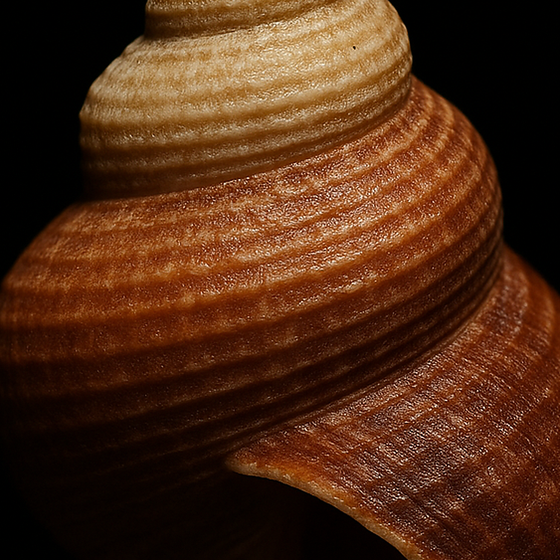
Some writers believe that onycha was the fingernail-like operculum, or trap door, of certain sea snails, such as Strombus lentiginosus, Murex anguliferus, and Onyx marinus. In regions near the Middle East, the opercula of the conches Strombus tricornis and Lambis truncata sebae are the ones most commonly used as an incense material. Whelk opercula are a protein exudation, similar to fingernails. Burning whelk opercula releases aromatic phenols, and chlorinated phenols that have a medicinal scent at very low concentrations were also detected in the smoke. The biblical onycha cannot be conclusively identified without original samples for comparative analysis.

The main argument against the operculum is that the mollusk was counted among the unclean animals in the Bible (Leviticus 11:9 and 12). The Muricidae, or murex, were highly regarded as a source of Tyrian purple and tekhelet. Purple and blue dyed yarn is prescribed for use in the tabernacle and in garments worn by high priests.

Labdanum

Labdanum is a sticky brown resin obtained from the shrubs Cistus ladanifer (gum rockrose, western Mediterranean) and Cistus creticus (pink rockrose, eastern Mediterranean). The Arabic version renders shecheleth as ladana, while the Septuagint renders it as onycha. H. J. Abrahams states that, after weighing the other options, there is little doubt that the onycha of Exodus 30:34 is labdanum. The rock rose bears flowers widely noted for the markings upon its petals resembling human fingernails. The Syriac sense of the word, to run in drops, exude or distil, has been taken to point to a resinous and odoriferous substance of the plant kingdom.

Benzoin and other candidates

The scholar Bochart stated, at one point in his research, that onycha was actually benzoin, a gum-resin from the Styrax species. Benzoin is a balsamic resin obtained from the bark of several species of trees in the genus Styrax. Benzoin also serves as a flavoring in drinks with and without alcohol, baked goods, chewing gum, frozen dairy products, gelatins, puddings and soft candy. Onycha is among the common names of the tree Styrax benzoin, a species native to Indochina and western Malesia. Lesser recognized contenders include bdellium, gum tragacanth, cloves, amber, cuttlefish bone and spikenard.

—

Related: Aldambre · Ambrarome · Ambrein · Ambreine · Ambrettolide · Ambronova · Ammonia · Animal Notes

Цікавий факт

In the Talmudic account, Carshina lye was brought to refine the onycha so that it would be pleasant, and Cyprus wine to steep it so that it would be pungent. Urine was more suited to this, but one did not bring urine into the Temple, out of respect.

Отримання й хімія

Спосіб отримання

Whelk opercula are torn from the flesh of the snail before further processing. Ancient and modern practices include rubbing with alkaline solution or soaking in vinegar followed by strong wine, before burning the dried ground powder. Opercula are traditionally treated with vinegar, alcohol and water to remove any fishy smell, and the clean opercula are then ground to a powder. Indian choya nakh attar is produced by dry distillation of Murex opercula. The raw resin of labdanum is usually extracted by boiling the leaves and twigs, an absolute is obtained by solvent extraction, and an essential oil by steam distillation. Benzoin is tapped by cutting the trunk of Styrax benzoin slightly so that the white sap appears, and the sap is harvested once it has hardened on the trunk. The harvested sap is dried for 3 to 6 months to remove impurities.

Ботанічна назва
Debated — possibly Styrax benzoin (resin), Cistus ladanifer or Cistus creticus (labdanum), or marine operculum
Зовнішній вигляд
Labdanum: sticky brown resin, the raw gum a black or dark brown fragrant mass; whelk operculum: protein material similar to fingernails
Синоніми
Shecheleth
Статус IFRA
Див. примітку

No IFRA Standard for the material itself (51st Amendment)

У парфумерії

Operculum powder is an important ingredient in Chinese and Japanese incense making. The cleaned and ground opercula are used as a scent fixative, in a technique similar to that used in perfumes with certain plant resins. Benzoin, one of the candidates for onycha, is used in perfumery as a fixative, slowing the dispersion of essential oils and other fragrance materials into the air. Labdanum, another candidate, is the main ingredient used when making the scent of amber in perfumery, as well as chypre fragrances.

Роль у формулі
01фіксатор
02модифікатор
03фірмова нота
04сполучний компонент
05формувач об’єму
Форми випуску
стандартна форма

Див. також

7 ноти