Кориця китайська (orange cassia tree)

НатуральнийПРЯНОЩІцитрусовий · деревний · пряний
Ноти серцяПіраміда
3/5Сила
160годСтійкість
3Походження
Зразок
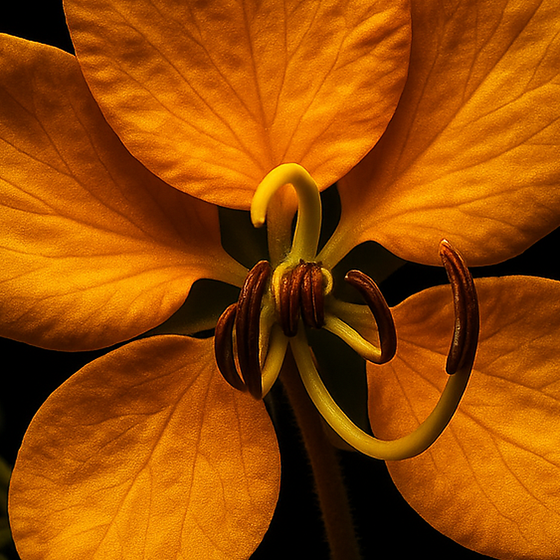
Кориця китайська (orange cassia tree) як парфумерна сировина
Ноти серця
Cinnamomum cassia
Визначення

Warm cinnamon bark with a citrus tilt. Cassia is cinnamon's bolder, less clean cousin -- sharper, sweeter, more direct.

Floral
95
Vert
94
Doux
56
Poudré
44
Fruité
33
Boisé
24
Cassia, Chinese Cinnamon
Type
Складник
Olfactive family
Пряні
Source
fruit peel
Chemical class
complex natural (essential oil)
Інструменти
Піраміда
ВВерхні ноти
СНоти серця
ББазові ноти
3/5Сила
Середня
інтенсивність запаху
Стійкість на блотері
160годин · 7 днів
1 год6 год24 год3 дн.7 дн.400 год
за 100 %
Країни-виробники
Китай В’єтнам Індонезія

Запах

Hot, sweet, and assertively spicy. More aggressive than true cinnamon -- less subtle, more candy-like, with a raw cinnamaldehyde sharpness. The sweetness is immediate and direct, without the delicate complexity of Ceylon cinnamon. A faint woody-balsamic undertone from the bark. This is the cinnamon of red-hot candies and spiced teas, not of French patisserie.

Теруар і хемотипи

Докладно

Orange cassia (Cinnamomum cassia) is a persistent tree native to southern China whose bark produces an essential oil dominated by cinnamaldehyde (75-90%). The 'orange' modifier in this entry likely references a cassia-citrus blend or the orange-tinged bark col or, as cassia itself has no inherent citrus character.

Cassia is often confused with true cinnamon (Cinnamomum verum/zeylanicum), but the two differ significantly: cassia is stronger, sharper, and sweeter, with a higher cinnamaldehyde content and a thicker, rougher bark. It is the cinnamon sold in most North American supermarkets and the dominant cinnamon in Chinese, Korean, and Vietnamese cuisine.

In perfumery, cassia oil provides a bold, warm spice note. It is less clean than true cinnamon -- rawer, more assertive, with a candy-like sweetness that true cinnamon lacks. The high cinnamaldehyde content makes it a skin sensitizer at strengthens concentrations, requiring careful dosing.

Explore all seven extraits in the Discovery Set.

—

Related: Accord Eudora · African Marigold · Alpha Amylcinnamaldehyde · Alyssum · Angels Trumpet · Aquaflora · Ashoka Flower · Aurantiol

Отримання й хімія

Спосіб отримання

Steam distillation of the bark of Cinnamomum cassia. Oil contains 75-90% cinnamaldehyde. Major production: southern China (Guangxi, Guangdong). Also produced from leaves, which yield a slightly different oil profile.

Формула
Complex mixture (no single formula)
CAS
8007-80-5
Ботанічна назва
Cinnamomum cassia
Зовнішній вигляд
yellow to yellow brown clear oily liquid
Сила запаху
Середня
Стійкість
160 hours at 100.00%
Синоніми
Cassia, Chinese Cinnamon
Статус IFRA
Обмежено

Restricted (contains cinnamaldehyde, a known sensitizer; usage limits apply per IFRA 49th Amendment)

Фізичні властивості
Температура кипіння
266.00 °C. @ 760.00 mm Hg
Температура спалаху
> 200.00 °F. TCC ( > 93.33 °C. )
Відносна густина
1.04500 to 1.06300 @ 25.00 °C.
Показник заломлення
1.60200 to 1.61400 @ 20.00 °C.

У парфумерії

Cassia functions as a heart note in Amber, spicy, and gourmand compositions. Its high cinnamaldehyde content provides bold spice warmth. IFRA restricts concentration due to sensitization risk. Works well with vanilla, clove, nutmeg, and amber materials. Used in traditional Amber accords alongside labdanum and benzoin.

Роль у формулі
01модифікатор
02формувач об’єму
03свіжість
Форми випуску
ефірна олія

Див. також

5 ноти