


Цвіт папаї
АкордКВІТИквітковий · тропічний · солодкий
Ноти серцяПіраміда
—Сила
—Стійкість
—Походження
Зразок
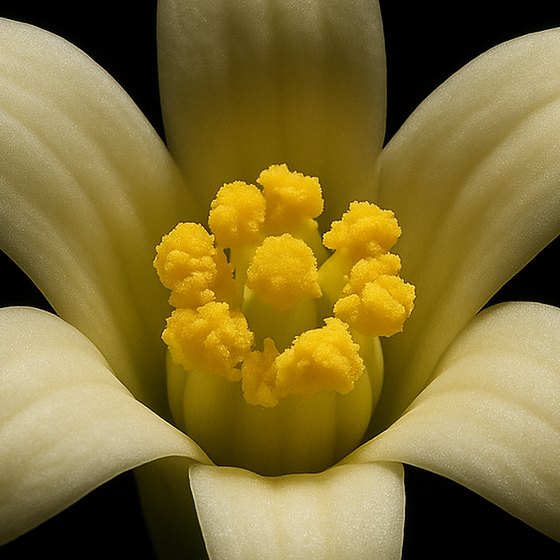
Carica papaya
Фантазійний/концептуальний
Визначення
The flowers of the papaya, Carica papaya, are trumpet-shaped and yellow to white.
КВІТКОВИЙ ЗЕЛЕНИЙ СОЛОДКИЙ СВІЖИЙ ВЕРШКОВИЙ ТРОПІЧНИЙ
- Type
- Акорд
- Olfactive family
- Квіткові
Інструменти
Піраміда
ВВерхні ноти
СНоти серця
ББазові ноти
Запах
В ароматах PREMIEREPEAU
Докладно
Отримання й хімія
Спосіб отримання
The scent of a living flower can be captured by headspace technology, in which an airtight dome or sphere surrounds the flower. Inert gas is passed through the space, or a vacuum is made, so that the odor compounds are drawn out of the headspace. The compounds are then caught on cold surfaces, in solvent traps or on adsorbent materials, and the samples can be analyzed by gas chromatography or mass spectrometry.
- Ботанічна назва
- Carica papaya
Статус IFRA
Див. приміткуNo IFRA Standard for the material itself (51st Amendment)
У парфумерії
A living flower and a picked one smell differently, and headspace analysis lets chemists identify the components of the living scent and compare them with the picked one.
Роль у формулі
01модифікатор
02фірмова нота
03компонент піднесення
04сполучний компонент
05свіжість
Форми випуску
синтетичний акорд фантазійна нота
Див. також
5 ноти