


Покан
НатуральнийЦИТРУСОВІ ЗАПАХИцитрусовий · свіжий · фруктовий
Верхні нотиПіраміда
4/5Сила
8годСтійкість
2Походження
Зразок
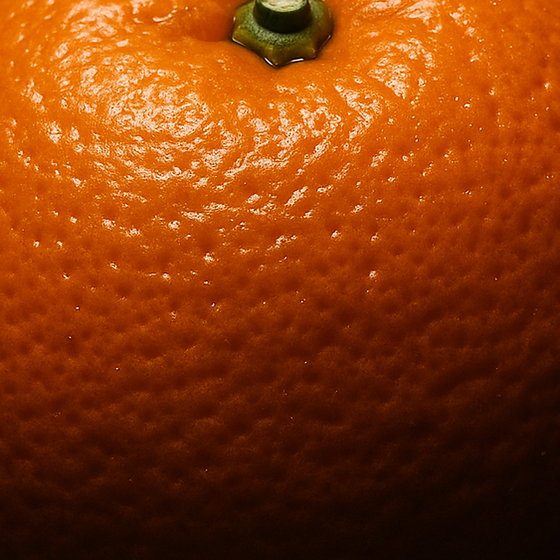
Citrus reticulata
Визначення
A Japanese mandarin hybrid. Sweet, low-acid, with a gentle orange-blossom peel note.
КВІТКОВИЙ ЦИТРУСОВИЙ ЗЕЛЕНИЙ СОЛОДКИЙ ТЕПЛИЙ СВІЖИЙ
PONCIRUS TRIFOLIATA
- Type
- Складник
- Olfactive family
- Цитрусові
- Source
- fruit peel
- Chemical class
- complex natural (expressed oil)
Інструменти
Піраміда
ВВерхні ноти
СНоти серця
ББазові ноти
4/5Сила
Висока
інтенсивність запаху
Стійкість на блотері
8годин
1 год6 год24 год3 дн.7 дн.400 год
за 100 %
Країни-виробники
Китай Японія
Запах
В ароматах PREMIEREPEAU
Докладно
Цікавий факт
Pokan appears in traditional Japanese cuisine, where its zest adds a unique tartness to dishes and beverages.
Отримання й хімія
Спосіб отримання
Cold pressing
- Формула
- Limonene C₁₀H₁₆ (major component) · Methyl N-methylanthranilate C₉H₁₁NO₂
- CAS
- 8008-31-9 (Citrus reticulata oil — mandarin/tangerine type)
- Ботанічна назва
- Citrus reticulata
- Зовнішній вигляд
- Yellow to orange liquid with sweet citrus odor
- Сила запаху
- Висока
- Стійкість
- 8 hours at 100%
- Синоніми
- PONCIRUS TRIFOLIATA
Статус IFRA
Без обмеженьNo known restrictions
Фізичні властивості
- Показник заломлення
- 1.474–1.478
- Нота
- Pokan = Citrus reticulata var. — very close to mandarin oil
У парфумерії
In perfumery, Pokan is a top note, bringing a burst of freshness and energy to fragrance compositions. Its bright, zesty character works with other citrus notes such as bergamot and grapefruit, as well as floral notes like jasmine and rose. Pokan can enhance green and herbal accords, adding depth and vibrancy to the overall blend. The unique tartness of Pokan allows it to stand out in a composition, used in modern, refreshing fragrances that aim to capture the essence of nature's brightness.
Роль у формулі
01модифікатор
02фірмова нота
03компонент піднесення
04сполучний компонент
05формувач об’єму
Форми випуску
синтетичний акорд фантазійна нота
Див. також
8 нотиПомеранець цитрусовий · гіркий · свіжий Каламондин цитрусовий · свіжий · фруктовий Бергамот цитрусовий · ароматичний · гіркий · чайний Червоний апельсин цитрусовий · свіжий · фруктовий Бігарадія цитрусовий · гіркий · свіжий Рангпур цитрусовий · свіжий · фруктовий Methyl Pamplemousse цитрусовий · свіжий · фруктовий Лемонграс цитрусовий · зелений · свіжий
