Каркаде

АкордКВІТИквітковий · фруктовий · свіжий

Сім ароматівОдин із них дивиться на вас

Ноти серцяПіраміда
—Сила
—Стійкість
10Походження
Зразок
Каркаде як парфумерна сировина
Ноти серця
Hibiscus sabdariffa
Фантазійний/концептуальний
Визначення

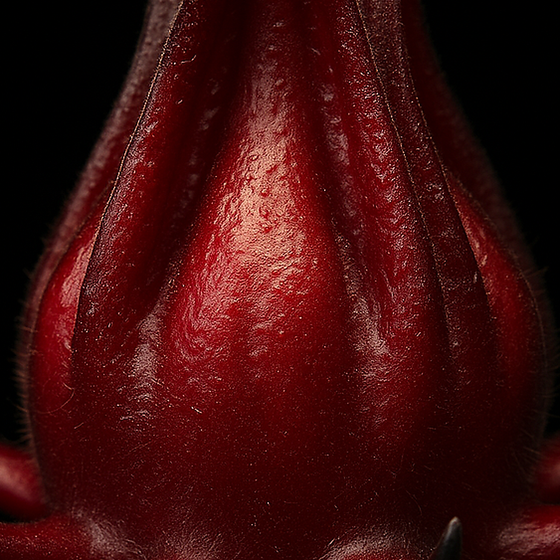
Roselle (Hibiscus sabdariffa) is a plant whose crimson calyces are steeped into an infusion with a tart, strong cranberry-like flavor. In perfume, hibiscus is a constructed note that smells floral, fruity and tangy.

КВІТКОВИЙ СОЛОДКИЙ ФРУКТОВИЙ СВІЖИЙ
sorrel, Florida cranberry, Jamaica sorrel, red sorrel, rosella
Type
Акорд
Olfactive family
Квіткові
Source
calyces
Chemical class
Natural plant material rich in anthocyanins, with organic acids, polysaccharides and flavonoids
Інструменти
Піраміда
ВВерхні ноти
СНоти серця
ББазові ноти
Країни-виробники
Китай Таїланд Судан Нігерія Мексика Єгипет Сенегал Танзанія Малі Ямайка

Запах

The odour of the flower extract is described as floral, hibiscus and berry. A hibiscus accord has sweet, slightly tart facets reminiscent of passion fruit, cranberry and rose, with a subtle green undertone. The result is a scent that is floral, fresh and tropical, with a gentle musky backdrop.

Докладно

The plant

Roselle is a species of flowering plant in the family Malvaceae, likely native to parts of Africa. The accepted name of the species is Sabdariffa gossypiifolia, and Hibiscus sabdariffa is among its synonyms. Roselle is an annual or perennial herb or woody-based subshrub, growing to 2-2.5 m (7-8 ft) tall. The flowers are white to pale yellow with a dark red spot at the base of each petal. The calyx becomes fleshy and a deep crimson red as the fruit matures, which takes about six months. The calyces are not petals: they form around the seed-pods once the seeds begin to form.

Chemistry

The flowers are rich in anthocyanins, as well as protocatechuic acid. The plant contains organic acids, polysaccharides, flavonoids and particularly anthocyanins, which provide the purple-red color. The dried calyces contain the flavonoids gossypetin, hibiscetine and sabdaretine. The calyces contain about 4% citric acid. Roselle seeds contain 17-20% oil.

Drinks and uses

Hibiscus tea, served hot, or roselle juice, served cold, is an infusion made from the crimson or deep magenta-colored sepals or calyces of the roselle flower. In Italy, hibiscus tea, known as carcadè or karkadè, is usually consumed hot, often with the addition of sugar and lemon juice or orange slices. In other European countries it is an ingredient in mixed herbal teas, especially with malva flowers or rose hips, to enhance the colouring. The drink made out of the flowers is known as bissap in Burkina Faso and Senegal, zobo in Nigeria or sobolo in Ghana. In Sudan and Egypt, karkade is a popular drink made with dried roselle calyces. Agua de Jamaica is consumed in Mexico, Central America, and parts of South America and the Caribbean. The fleshy calyces of cultivar group Sabdariffa are used in making beverages such as roselle syrup and roselle wine, and jams and jellies. The calyces can also be dried and stored for later use. Young shoots and leaves are used raw or cooked as a vegetable or condiment; they have a sour taste and are slightly mucilaginous. The plant is cultivated for its bast fibre, which is used to make cordage and as a substitute for jute in making burlap. Roselle can be a natural source of water-soluble red food dye.

Cultivation

The plant is a deep-rooted annual, requiring fertile sandy soil, warmth and plenty of water. The calyces must be picked about 15-20 days after flowering. The workers strip the calyces by hand and lay them out to dry in the sun for three to four days. The main Egyptian plantations are in the dry, hot regions of Upper Egypt around Qena and Aswan and in the oasis of Fayoum. Most of Sudan's crop is grown in the central province of Kordofan.

Explore all seven extraits in the Discovery Set.

—

Related: 2 Phenoxyethanol · Alba Rose · Benzophenone · Beta Damascenone · China Rose · Citronellyl Formate · Desert Rose · Dried Rose

Цікавий факт

In Egypt and Sudan, wedding celebrations are traditionally toasted with a glass of hibiscus tea. In East Africa it is called Sudanese tea, a name that comes from the fact that more karkady is drunk daily in Sudan than true tea.

Отримання й хімія

Спосіб отримання

A handful of dried calyces is covered with four glasses of cold water, brought to the boil and simmered for three minutes, and the bright red liquid is strained off. The calyces are then barely covered with fresh cold water and boiled a second time for three minutes to draw out more, and this second liquid is added to the first. In Nigeria, zobo is made by boiling hibiscus leaves with ginger and cloves for less than an hour, and the solids are removed with a sieve. In Sudan the seeds have been pressed for oil.

Формула
Complex natural mixture (key constituents: anthocyanins; organic acids; citric acid)
CAS
84775-96-2 (flower extract)
Ботанічна назва
Hibiscus sabdariffa
Зовнішній вигляд
Fleshy calyces, deep crimson red when the fruit matures
Синоніми
sorrel, Florida cranberry, Jamaica sorrel, red sorrel, rosella
Статус IFRA
Див. примітку

No IFRA Standard for the material itself (51st Amendment)

У парфумерії

The flower extract of Hibiscus sabdariffa is listed as a cosmetic ingredient with antioxidant, skin-conditioning and emollient functions. The calyces are also a source of pigment for cosmetic applications.

Роль у формулі
01підсилювач дифузії
02фірмова нота
03компонент піднесення
04сполучний компонент
05формувач об’єму
06свіжість
Форми випуску
синтетичний акорд фантазійна нота

Див. також

8 ноти