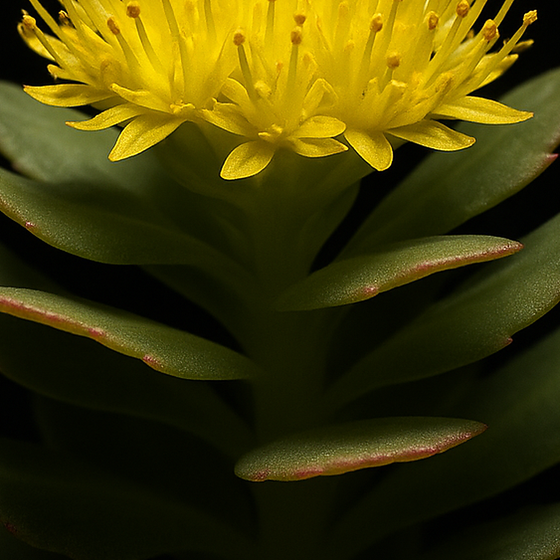
Родіола рожева

НатуральнийЗЕЛЕНІ НОТИ, ТРАВИ Й ФУЖЕРНІ АКОРДИземлистий · квітковий · пудровий
Ноти серцяПіраміда
3/5Сила
—Стійкість
2Походження
Зразок
Родіола рожева як парфумерна сировина
Ноти серця
Rhodiola rosea
Визначення

Roseroot is an aromatic herb known for its earthy and slightly floral scent, often used in perfumery.

КВІТКОВИЙ ЗЕЛЕНИЙ ЗЕМЛИСТИЙ ПРЯНИЙ ТРАВ’ЯНИЙ ТЕПЛИЙ СВІЖИЙ
GOLDEN ROOT ROSEROOT HERB
Type
Складник
Olfactive family
Ароматичні
Source
flower
Chemical class
complex natural (essential oil)
Інструменти
Піраміда
ВВерхні ноти
СНоти серця
ББазові ноти
3/5Сила
Середня
інтенсивність запаху
Країни-виробники
Азія Європа

Запах

Roseroot presents an intriguing olfactory profile that combines earthy and herbal notes with a subtle floral undertone. The scent can be likened to a fresh, damp forest floor, with hints of greenery and soft rose petals intermingling. It carries a slightly spicy warmth that adds complexity, like a gentle breeze carrying the aroma of wild herbs and flowers.

Scent Evolution

When sniffed closely, the initial impression carries a sense of grounding, as if inhaling the essence of nature itself. As it evolves, the floral nuances become more apparent, softening the initial earthiness and revealing a more delicate, romantic aspect. This contrast makes roseroot a compelling note that can enhance both fresh and deep fragrances.

Теруар і переробка

Докладно

Roseroot, scientifically known as Rhodiola rosea, has been used for centuries for its medicinal properties and aromatic qualities. Traditionally used in various cultures, this herb goes with resilience and vitality, growing in harsh conditions in mountainous regions of Europe and Asia. Its name derives from its rose-like fragrance, which has attracted the attention of perfumers seeking to incorporate its scent into their creations.

Origin and Production

The sourcing of roseroot is primarily from the cold climates of the Arctic and mountainous regions, where it flourishes in rocky soils. Harvesting this herb requires careful attention, as it appears in remote locations. The essential oil extracted from its root is what perfumers use to capture its aromatic profile.

Chemistry and Scent Profile

In perfumery, roseroot is valued for versatility and the depth it adds to compositions. It can lend an air of complexity to fragrances. Its use is growing in popularity as consumers seek out sustainable and earthy scents.

Did You Know?

Roseroot has been used in traditional medicine as an adaptogen, believed to help the body adapt to stress and enhance mental performance.

Explore all seven extraits in the Discovery Set.

Цікавий факт

Roseroot has been used in traditional medicine as an adaptogen, believed to help the body adapt to stress and enhance mental performance.

Отримання й хімія

Спосіб отримання

Steam distillation of the root

Формула
complex mixture (rosavins, salidroside C₁₄H₂₀O₇)
Ботанічна назва
Rhodiola rosea
Зовнішній вигляд
Pale yellow to amber liquid
Сила запаху
Середня
Синоніми
GOLDEN ROOT ROSEROOT HERB
Статус IFRA
Див. примітку

No IFRA Standard for the material itself (51st Amendment)

Фізичні властивості
Відносна густина
0.900 to 0.960 @ 25 °C (est)

У парфумерії

Roseroot (Rhodiola rosea) is a heart note contributing a complex rose-like aroma from its rhizome, hence the name. The dried root smells distinctly of rose due to geraniol and rosiridin content. In perfumery, it bridges herbal-green notes to floral-rosy hearts without the sweetness of rose absolute. Its earthy-herbal undertone keeps it grounded. Works alongside other herbal materials — lavender, clary sage, angelica — in aromatic-floral compositions. The root extract also contains phenylethyl alcohol, the primary rose-scent molecule.

Роль у формулі
01модифікатор
02фірмова нота
03компонент піднесення
04сполучний компонент
05формувач об’єму
06свіжість
Форми випуску
ефірна олія

Див. також

7 ноти