


Секвоя
АкордДЕРЕВИНА Й МОХИдеревний · насичений · теплий
Базові нотиПіраміда
—Сила
—Стійкість
—Походження
Зразок
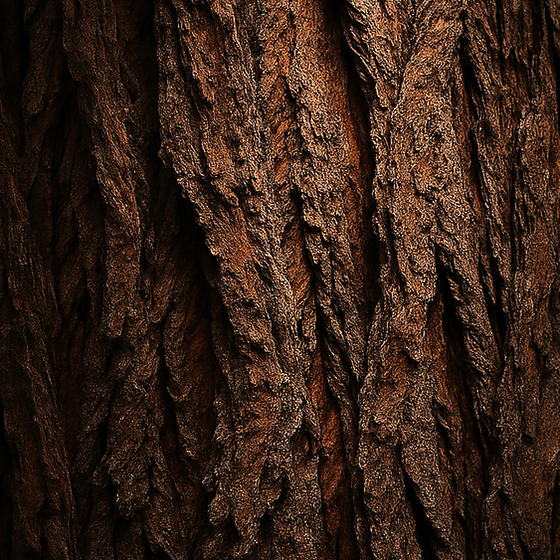
Sequoiadendron giganteum / Sequoia sempervirens
Фантазійний/концептуальний
Визначення
The giant sequoia (Sequoiadendron giganteum) is a species of coniferous tree in the family Cupressaceae. A close relative is Sequoia sempervirens, which lives on the Pacific coast of North America.
ДЕРЕВНИЙ ЗЕЛЕНИЙ СОЛОДКИЙ ТЕПЛИЙ СВІЖИЙ СУХИЙ СМОЛИСТИЙ
Giant sequoia, giant redwood, Sierra redwood, Wellingtonia, coast redwood, coastal redwood, California redwood
- Type
- Акорд
- Olfactive family
- Деревні
- Source
- coniferous tree
Інструменти
Піраміда
ВВерхні ноти
СНоти серця
ББазові ноти
Запах
В ароматах PREMIEREPEAU
Докладно
Отримання й хімія
Спосіб отримання
In an early analysis, distilling the needles of a giant sequoia grown in Zurich gave a volatile oil that partly solidified at ordinary temperature and consisted mainly of a hydrocarbon C₁₀H₁₆ boiling at 155°.
- Ботанічна назва
- Sequoiadendron giganteum / Sequoia sempervirens
- Зовнішній вигляд
- Bark bright red-brown when freshly exposed, weathering darker (coast redwood)
- Синоніми
- Giant sequoia, giant redwood, Sierra redwood, Wellingtonia, coast redwood, coastal redwood, California redwood
Статус IFRA
Див. приміткуNo IFRA Standard for the material itself (51st Amendment)
У парфумерії
These woods are used as macerations or in dry-distilled (rectified) form.
Роль у формулі
01модифікатор
02кістяк
03фірмова нота
04компонент піднесення
05сполучний компонент
Форми випуску
синтетичний акорд фантазійна нота
Див. також
7 ноти