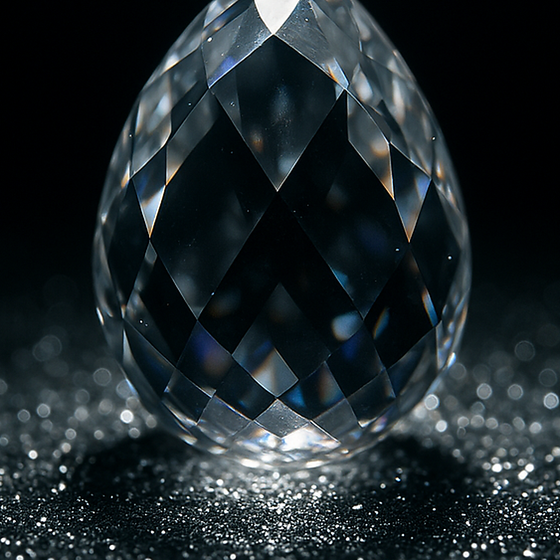
Іскристий акорд

АкордНАТУРАЛЬНІ Й СИНТЕТИЧНІ, ПОПУЛЯРНІ Й НЕЗВИЧНІцитрусовий · свіжий · квітковий
Верхні нотиПіраміда
—Сила
—Стійкість
—Походження
Зразок
Іскристий акорд як парфумерна сировина
Верхні ноти
Фантазійний/концептуальний
Визначення

Sparkling accord in perfumery: the fizzy scent of C10 to C12 aldehydes, their citrusy and floral notes, and the clean metallic freshness they bring. In perfumery, an accord is a combination of simultaneous notes forming a whole.

ЦИТРУСОВИЙ КВІТКОВИЙ ЗЕЛЕНИЙ СВІЖИЙ МЕТАЛІЧНИЙ ВОСКОВИЙ МИЛЬНИЙ
Type
Акорд
Olfactive family
Цитрусові
Інструменти
Піраміда
ВВерхні ноти
СНоти серця
ББазові ноти

Запах

Fatty aldehydes have a citrusy or floral note and a pronounced fatty, waxy, soapy tone. From C8 to C12, the aldehydes have a waxy-floral note. Decanal is fatty with an orange note, undecanal is green, fatty and floral-orange, and dodecanal is fatty and floral-orange. Aldehyde C12 MNA has a cold, very characteristic smell of metal. Aldehydes bring great clean and metallic freshness, a shine and a vibration to a perfume. Short-chain aldehydes have rather sharp and unpleasant odours, which become milder as the carbon chain lengthens. Introducing a methyl side chain at carbon 2 makes the odour stronger and also more pleasant, reducing the fatty note.

Докладно

Accords and notes

An accord constitutes the main theme of a perfume. The notes are the components, generally between 5 and 10, which once assembled form this accord. One or several facets can dress it, and the more facets there are, the more complex the perfume's architecture.

Aldehydes

In chemistry, aldehydes are designated by a linear chain of carbons of varying length. Traces of aldehydes are also found in nature, notably in citrus notes or certain other fruits. Some aldehydes that bear the name do not belong to the aldehydic olfactory category because they are fruity notes: C14 is a peach note, C16 is raspberry and C18 is a coconut smell.

Undecanal

Undecanal is an eleven-carbon aldehyde. A colourless, oily liquid, undecanal is a component of perfumes. Its boiling point is 225 °C.

Fresh citrus and floral materials

Dihydromyrcenol is a synthetic organic compound used primarily as a fragrance ingredient. It is extensively used in the fragrance industry for its fresh lime and citrus-like odor. Methyl dihydrojasmonate is an aroma compound with an odor similar to that of jasmine. Adding methyl dihydrojasmonate to a classically hesperidic fragrance construction created a dewy lemony magnolia-jasmine dimension without being directly floral. Citrus is the oldest fragrance family, which gave birth to lightweight eau de colognes.

Pink pepper

Schinus terebinthifolia is not a true pepper, but its dried drupes are often sold as pink peppercorns. The species is native to Argentina, Brazil and Paraguay. The seeds can be used as a spice, adding a pepper-like taste to food.

Explore all seven extraits in the Discovery Set.

—

Related: Buddhas Hand · Calamansi · Citronellal · Citrus Water · Citruses · Crystalfizz · Dihydromyrcenol · Dihydromyrcenol Acetate

Цікавий факт

In one telling, a laboratory assistant mistook a full strength mixture for a ten percent dilution and added a quantity of aldehyde never before used. Another version says Ernest Beaux reinforced the aldehydes by 1% on purpose so that the floral notes would not take over.

Отримання й хімія

Спосіб отримання

Aldehydes are synthetic molecules named after their carbon chain. Undecanal occurs naturally in citrus oils, but it is produced commercially by hydroformylation of decene. A convenient synthesis of 2-methylundecanal starts with 2-undecanone, which reacts with methylchloroacetate in the presence of the base sodium tert-butoxide to give a glycidyl ester in a Darzens condensation reaction. The ester is hydrolysed by refluxing with alkali, then acidified to the corresponding acid, which decarboxylates on distillation under reduced pressure to form 2-methylundecanal. Dihydromyrcenol can be obtained from citronellene, a pyrolysis product of cis-pinane, via hydroxylation.

Статус IFRA
Див. примітку

No IFRA Standard for the material itself (51st Amendment)

У парфумерії

Aldehydic notes pair particularly well with floral notes and with the chypre or woody facet, helping to strengthen the sillage of a perfume. Aldehydes reveal a modernity to the classic notes of a perfume. In one composition, the top note is made of ylang-ylang, neroli and aldehydes with 10 to 12 carbons. Top notes are the scents perceived immediately on application, and they consist of small, light molecules that evaporate quickly. Examples of top notes include mint, lavender and all citrus materials.

Роль у формулі
01модифікатор
02фірмова нота
03компонент піднесення
04сполучний компонент
05формувач об’єму
06свіжість
Форми випуску
синтетичний акорд фантазійна нота

Див. також

6 ноти