Суничник

СинтетичнийДЕРЕВИНА Й МОХИдеревний · фруктовий · теплий
Ноти серцяПіраміда
3/5Сила
—Стійкість
2Походження
Зразок
Суничник як парфумерна сировина
Ноти серця
Arbutus menziesii
Визначення

Arbutus is a fragrant wood note known for its warm, sweet, and slightly fruity aroma.

ДЕРЕВНИЙ КВІТКОВИЙ ЦИТРУСОВИЙ ЗЕМЛИСТИЙ СОЛОДКИЙ ФРУКТОВИЙ ТЕПЛИЙ СВІЖИЙ
MADRONA BEARBERRY TREE
Type
Складник
Olfactive family
Деревні
Source
wood
Chemical class
complex natural (essential oil)
Інструменти
Піраміда
ВВерхні ноти
СНоти серця
ББазові ноти
3/5Сила
Середня
інтенсивність запаху
Країни-виробники
Канада Сполучені Штати

Запах

Arbutus exudes a warm, sweet aroma, like ripe berries and honey, layered over a soft woody base. Its scent profile is inviting and cozy, like the comforting embrace of a sunlit forest. When compared to other wood notes, Arbutus stands out with its fruity undertones.

Scent Evolution

The complexity of Arbutus can be likened to the scent of freshly cut wildflowers mixed with the subtle warmth of cedarwood. The initial impression may carry a sense of sweetness, gradually revealing a more grounded, earthy character as it settles. This evolution makes Arbutus an intriguing note that supports richness to any fragrance.

Signature Accords

Overall, Arbutus provides a unique olfactory experience that draws the attention of the senses, pairing beautifully with citrus notes, florals, and other woods. Its ability to blend both fruity and woody elements makes it a favorite among perfumers seeking to create balanced and memorable scents.

Докладно

Arbutus, commonly known as Madrona or the BearberryTree, is a useful material in perfumery. This botanical is native to the western United States and parts of Canada, where it thrives in coastal regions and appears in dry, sandy soils. The tree is notable for its striking redbark and glossy green leaves, which contribute to its aromatic profile. Historically, the leaves and berries of the Arbutus tree have been used in traditional medicine and local cuisines.

Origin and Production

In perfumery, Arbutus has a fascinating alternative to traditional wood notes. Its warm and sweet scent smells having a touch of fruitiness. The aroma stems from its complex chemical composition, which includes various terpenes and esters that contribute to its overall character. Perfume makers have begun to explore Arbutus more extensively, recognizing It can bridge the gap between woody and fruity accords.

Chemistry and Scent Profile

The significance of Arbutus in contemporary use is significant. As the demand for unique and sustainable ingredients grows, Arbutus stands out as a natural choice for artisans looking to create particular fragrances. The wood's rich scent can be used to carries the feeling of walking through a sun-drenched forest. Its use is particularly prominent in compositions that aim to blend freshness with warmth.

Role in Perfumery

As the fragrance industry continues to evolve, the inclusion of lesser-known ingredients like Arbutus highlights a shift towards celebrating biodiversity and regional flora. This trend helps to diversify the olfactory palette and encourages sustainable sourcing practices that benefit local ecosystems and communities. The future of Arbutus in perfumery looks bright, with potential for innovative blends that respect both tradition and modern sensibilities.

Did You Know?

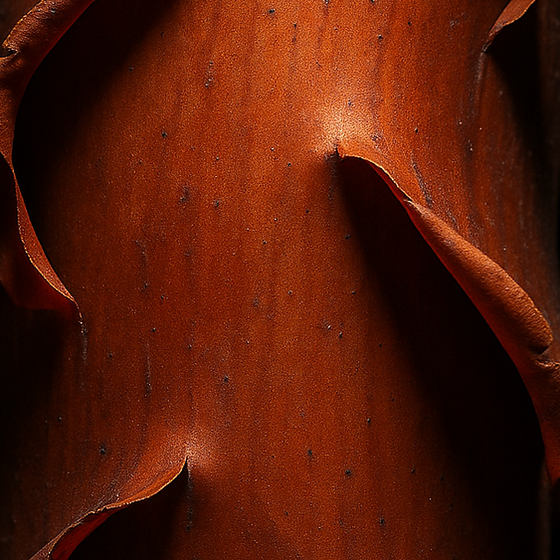
Arbutus trees are known for their striking red bark, which peels away in thin layers.

Explore all seven extraits in the Discovery Set.

Отримання й хімія

Спосіб отримання

Steam distillation or solvent extraction of wood and leaves

Формула
Key compound: arbutin C₁₂H₁₆O₇
CAS
N/A — natural extract, no single CAS
Ботанічна назва
Arbutus menziesii
Зовнішній вигляд
Pale yellow to amber viscous liquid
Сила запаху
Середня
Синоніми
MADRONA BEARBERRY TREE
Статус IFRA
Див. примітку

No IFRA Standard for the material itself (51st Amendment)

Фізичні властивості
Нота
Extract from Arbutus menziesii; arbutin (CAS 497-76-7) MP 199 °C, MW 272.25 g/mol

У парфумерії

Arbutus (madrone) is a heart note that contributes a warm, honeyed-woody character with subtle fruity undertones from its berry-bearing nature. Its profile sits between the honeyed quality of linden and the dry warmth of Mediterranean scrub. Used in compositions evoking garrigue landscapes — works alongside cistus, myrtle, and immortelle. The bark has a smooth, slightly leathery dryness that differentiates it from rougher wood notes. Not widely produced as an isolate; most arbutus effects in perfumery are reconstructed accords.

Роль у формулі
01модифікатор
02фірмова нота
03сполучний компонент
04формувач об’єму
05свіжість
Форми випуску
ефірна олія абсолют

Див. також

7 ноти