The genus
The genus is distributed primarily across tropical and subtropical regions of Africa, Asia, and Central and South America, with Africa considered the center of origin. With more than 2,000 species, it is one of the largest genera of flowering plants.
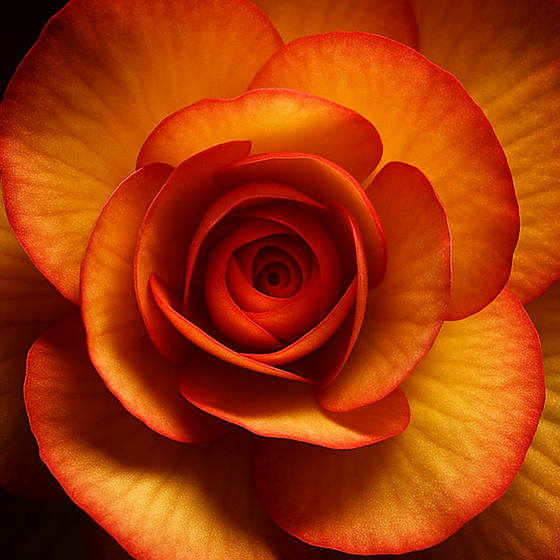
The species are terrestrial, sometimes epiphytic, herbs or undershrubs, and occur in subtropical and tropical moist climates in South and Central America, Africa and southern Asia. The plants are monoecious, with unisexual male and female flowers occurring separately on the same plant. Flowers come in all colors other than blue, and range in size from tiny individual blossoms to blooms the size of dinner plates.
In most species the fruit is a winged capsule containing numerous minute seeds, although baccate fruits are also known. The leaves are often large and variously marked or variegated, and they are usually asymmetric, so that their left and right sides differ in size. Plants range from less than a foot tall to Begonia giganticaulis, which can exceed twelve feet (3.6 meters).
Origin
Fossil evidence is lacking, but phylogeny implies that begonias originated between the Paleogene and the Miocene, 20 to 65 million years ago, and most living species likely evolved during the Pleistocene.
Cultivation
Most species come from tropical regions, so they and their hybrids require warm temperatures. Most are forest understory plants and require bright shade. Species throughout the genus, even those coming from different continents, can frequently be hybridized with each other, and this has led to an enormous number of cultivars.
Tuberous begonias usually have a dormant period, during which the tubers can be stored in a cool, dry place. Most begonias are easily propagated by division or from stem cuttings. The Chinese species B. grandis is hardy to USDA hardiness zone 6.
Use as food
Most begonias are sour to the taste, and some people in some areas eat them. Eating them is safe in small amounts but potentially toxic in large quantities, because of the prevalence of oxalic acid in the tissues.
—
Related: Abelia · Almond Blossom · Alpha Terpineol · Alstroemeria · Alumroot · Amarillys · Amazon Moonflower · Amethyst Flower