


Цвіт кокоса
НатуральнийКВІТИквітковий · тропічний · горіховий
Ноти серцяПіраміда
—Сила
—Стійкість
3Походження
Зразок
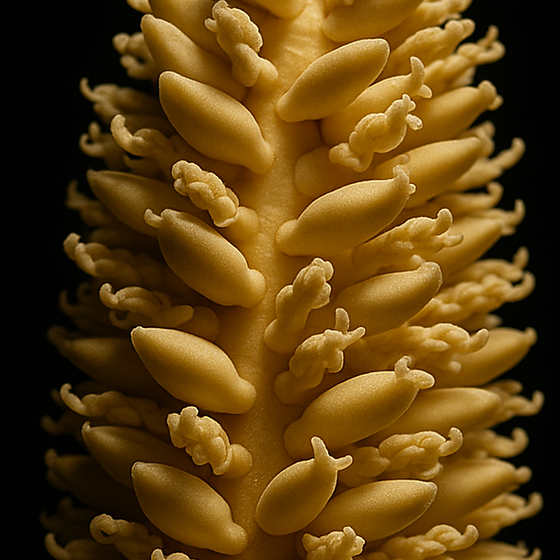
Cocos nucifera
Визначення
Sap from the coconut palm's flower bud stem is boiled into coconut sugar or fermented into palm wine.
КВІТКОВИЙ СОЛОДКИЙ ТЕПЛИЙ СВІЖИЙ ВЕРШКОВИЙ ТРОПІЧНИЙ
- Type
- Складник
- Olfactive family
- Квіткові
- Source
- flower
Інструменти
Піраміда
ВВерхні ноти
СНоти серця
ББазові ноти
Країни-виробники
Таїланд Індонезія Філіппіни
Запах
В ароматах PREMIEREPEAU
Докладно
Цікавий факт
Palm sap begins fermenting immediately after collection, due to natural yeasts in the air. Within two hours, fermentation yields an aromatic, sweet wine with up to 4% alcohol and mildly intoxicating effects.
Отримання й хімія
Спосіб отримання
Farmers make a cut on the spadix, and the sap starts to flow from the cut into bamboo containers. For coconut sugar the sap is then placed over moderate heat in large woks to evaporate its moisture.
- Ботанічна назва
- Cocos nucifera
Статус IFRA
Див. приміткуNo IFRA Standard for the material itself (51st Amendment)
Див. також
8 нотиАпельсиновий цвіт квітковий · медовий · цитрусовий Ірис пудровий · землистий · фіалка Тубероза квітковий · наркотичний · вершковий Жасмин квітковий Троянда квітковий · медовий · зелений Цвіт кави квітковий · гурманський · обсмажений Мікелія квітковий · фруктовий · солодкий Vanilla bahiana гурманський · вершковий · солодкий
