Ефірна олія елемі

НатуральнийСМОЛИ Й БАЛЬЗАМИсмолистий · цитрусовий · свіжий
Верхні нотиПіраміда
—Сила
20годСтійкість
1Походження
Зразок
Ефірна олія елемі як парфумерна сировина
Верхні ноти
Canarium luzonicum
Визначення

Elemi oil is the essential oil steam-distilled from the oleoresin of Canarium luzonicum, a tree native to the Philippines. Its very fresh, spicy scent is reminiscent of pepper, fennel and lemon.

ЦИТРУСОВИЙ БАЛЬЗАМІЧНИЙ СВІЖИЙ
Elemi, Elemi resin, Manila elemi, Elemi gum
Type
Складник
Olfactive family
Смолисті
Source
resin/gum
Chemical class
complex natural (essential oil)
Інструменти
Піраміда
ВВерхні ноти
СНоти серця
ББазові ноти
Стійкість на блотері
20годин
1 год6 год24 год3 дн.7 дн.400 год
за 100 %
Країни-виробники
Філіппіни

Запах

The aroma profile is fresh and lemon-like, with a clean, peppery scent. The sweet balsamic notes are lasting. Odour descriptions also name green, woody and sweet facets, and the odour type is herbal. Another description places it in the conifer-terpenic family, with citrus (lime), olibanum and pepper.

Докладно

The tree and its resin

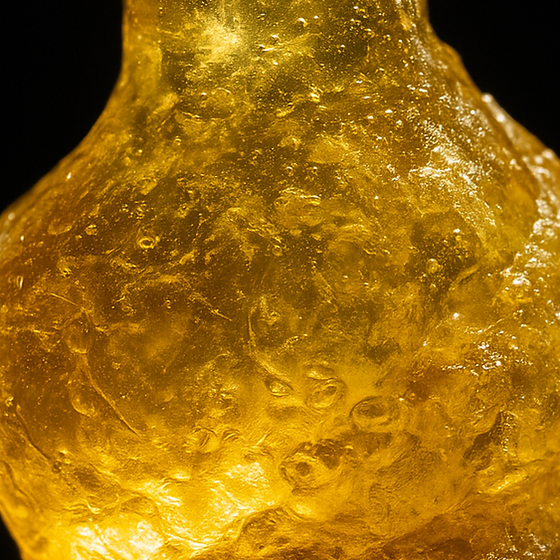
Canarium luzonicum is a large evergreen tree of the family Burseraceae, growing to a maximum height of about 30 m. The tree grows in primary forests at low and medium elevations on Luzon and some other Philippine islands. It bears thick-shelled nuts with edible kernels. When fresh, the oleoresin is oily and pale yellow or greenish, and its consistency resembles crystallized honey. On exposure to air it loses some of its volatile constituents and hardens. The resin has a balsamic odour and a spicy, rather bitter taste. In the forest areas where it is collected, the resin is rolled in leaves and used for lighting. Today the word elemi almost always means Manila elemi, the product of the Philippines, which is the only one traded internationally.

Chemistry

The major components of elemi oil are limonene (40-72%), phellandrene (10-24%) and the sesquiterpene alcohol elemol (1-25%). Other constituents named include elemicin, terpineol, carvone and terpinolene. One of the resin components is called amyrin. Elemicin is named after Canarium luzonicum, one of whose vernacular names is elemi. In high doses elemicin can cause irritation, and its concentration in cosmetics does not exceed 1%. The high content of unstable monoterpenes tends to form peroxides, and heating the oil may present a hazard of explosion. On storage the oil tends to resinify and polymerize, and its odor can become disagreeable.

Trade and other uses

Three classes of Manila elemi exist for domestic and export trade, although the designations are not always adhered to. Class I represents the palest material, class II a more yellowish material, and class III a mixture of I and II. Prices for elemi fluctuate more than for most other resins. In the 1990s, 500 tonnes of elemi resin were collected per year, and the quantity has dropped to 150-200 tonnes per year. The resin still finds occasional use in lacquers and varnishes, where it gives toughness and elasticity to the dried film.

Explore all seven extraits in the Discovery Set.

—

Related: Frankincense · Frankincense Oil · Olibanum Frankincense · Olibanum Resinoid · Olibanum Sacra Resin Green

Цікавий факт

One bowl from an Egyptian embalming workshop held elemi and animal fat and was inscribed "to make his odour pleasant". The workshop at Saqqara dates to 664-525 BC.

Отримання й хімія

Спосіб отримання

The oil is produced by steam distillation of the gum resin. The crude oleoresin contains a high proportion of essential oil, around 25%, which can be recovered by simple steam distillation. The softer grades of resin are of higher quality, reflecting a higher essential oil content than the harder grades. The resin can also be extracted with a solvent to form the resinoid, which is a yellow to orange mass of high viscosity. Tappers in the Philippines have used a sharp bolo and a wooden mallet to make a series of cuts up the trunk, each cut removing bark and causing the oleoresin to exude. The exuded, sticky mass is collected at two-week intervals, usually by scraping it off the tree with a blunt-tipped bolo or stick. Resin destined for export is cleaned by manual removal of as much bark and other forest debris as possible. The cleaned resin is then packed in polythene-lined kerosene cans. Tapping is usually a year-round activity, but resin flow is at its greatest during the rainy season and little, if any, may be collected in the dry months. Yields of 4-5 kg of resin per tree annually have been reported in the older literature. It takes about seven years for a tree to start producing abundant quantities of gum.

Формула
Complex natural mixture (key constituents: limonene; alpha-phellandrene; elemol C₁₅H₂₆O)
CAS
8023-89-0
Ботанічна назва
Canarium luzonicum
Зовнішній вигляд
colorless to pale yellow liquid
Стійкість
20 hour(s) at 100.00 %
Синоніми
Elemi, Elemi resin, Manila elemi, Elemi gum
Статус IFRA
Див. примітку

No IFRA Standard for the material itself (51st Amendment)

Фізичні властивості
Відносна густина
0.87000 to 0.91400 @ 25.00 °C.
Показник заломлення
1.47900 to 1.48900 @ 20.00 °C.

У парфумерії

The essential oil is mainly used in fine fragrance. On the top notes it brings spicy and citrus effects typical of bergamot, and it gives the compositions an amber style. In flavours the oil gives terpenic and lemony notes to savoury dishes. The oil is particularly suitable for savoury flavours and is rarely used in cosmetics.

Роль у формулі
01модифікатор
02сполучний компонент
03свіжість
04піднесення верхніх нот
Форми випуску
ефірна олія

Див. також

6 ноти