Естрагол

Натуральний і синтетичнийПРЯНОЩІпряний · анісовий · трав’яний
Ноти серцяПіраміда
3/5Сила
8годСтійкість
—Походження
Зразок
Естрагол як парфумерна сировина
Ноти серця
Artemisia dracunculus (tarragon) / Ocimum basilicum (basil)
Визначення

Estragole is a phenylpropene, a natural organic compound. Its aroma is described as sweet, sassafras, anise, spicy, green, herbal, fennel, phenolic and minty.

ПРЯНИЙ ТРАВ’ЯНИЙ СОЛОДКИЙ
Methyl chavicol, p-allylanisole, 4-allylanisole, 1-allyl-4-methoxybenzene, estragol
Type
Складник
Olfactive family
Пряні
Source
Natural isolate from basil, star anise or tarragon oil; also sold as a synthetic grade
Chemical class
phenylpropene
Інструменти
Піраміда
ВВерхні ноти
СНоти серця
ББазові ноти
3/5Сила
Середня
інтенсивність запаху
Стійкість на блотері
8годин
1 год6 год24 год3 дн.7 дн.400 год
за 100 %

Запах

The odor type is anisic. One description reads sweet, phenolic, anise, harsh, spice, green, herbal and minty. The odor is also described as sweet-herbaceous, of the anise-fennel type. It has a licorice and phenolic odor. The odor is reminiscent of anise, with a corresponding sweet taste that differs from anethole. Others describe it as aniseed, herbal and sweet, or as alcohol, green, herbaceous, minty, sweet and vanilla. The natural isolate has an oily, sharp, phenolic aroma very much akin to tarragon, with top notes of anise, sweet basil and mint undertones.

Докладно

Chemistry

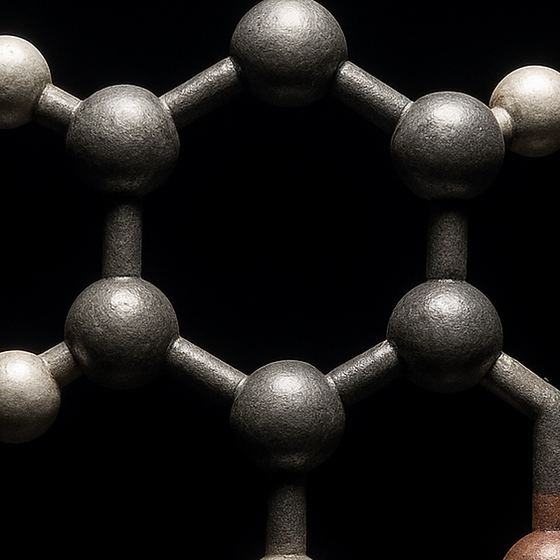
Its chemical structure consists of a benzene ring substituted with a methoxy group and an allyl group. It is an isomer of anethole, differing with respect to the location of the double bond. Chavicol is the phenol analog of estragole, and safrole is a methylenedioxy analog. Estragole is insoluble in water and soluble in alcohols. Upon treatment with potassium hydroxide, estragole converts to anethole. Estragole is used in the synthesis of magnolol (through chavicol).

Occurrence

Estragole is a component of various trees and plants, including turpentine (pine oil), anise, fennel, bay, tarragon and basil. Estragole is the primary constituent of essential oil of tarragon (comprising 60-75%). Tarragon has a flavor and odor profile reminiscent of anise due largely to the presence of estragole. Fresh tarragon leaves contain about 2900 mg/kg of estragole. It is also present in anise (2%) and frankincense (4%), as well as in pine oil, turpentine, fennel, Clausena anisata and Syzygium anisatum. The cones of Cycas revoluta emit volatiles in which estragole is the primary compound. The volatile oil from the aerial parts of Tagetes lucida cultivated in Costa Rica is a source of almost pure methyl chavicol. Estragole is found in apple, bilberry and orange fruits and juices.

Safety

Estragole is suspected to be carcinogenic and genotoxic, as is indicated by a report of the European Union Committee on Herbal Medicinal Products. That committee concluded that the present exposure to estragole from consumption of herbal medicinal products (short time use in adults at recommended posology) does not pose a significant cancer risk. Exposure of sensitive groups such as young children, pregnant and breastfeeding women should be minimized. The Scientific Committee on Food of the European Commission concluded that estragole has been demonstrated to be genotoxic and carcinogenic and that it could not establish a safe exposure limit.

Explore all seven extraits in the Discovery Set.

—

Related: Allspice · Anethole · Anise · Asafoetida · Baking Spices · Bay Leaf · Biryani · Caraway

Цікавий факт

English tarragon was borrowed from Middle French targon, from Medieval Latin tragonia, from Arabic. Its Ancient Greek source is drakóntion, dragonwort.

Отримання й хімія

Спосіб отримання

Hundreds of tonnes of basil oil are produced annually by steam distillation of Ocimum basilicum (common basil). The oil is mainly estragole but also contains substantial amounts of linalool. Natural estragole is sold as an isolate obtained from basil, star anise and tarragon oil. A synthetic grade of methyl chavicol is also sold.

Формула
C₁₀H₁₂O
CAS
140-67-0
Ботанічна назва
Artemisia dracunculus (tarragon) / Ocimum basilicum (basil)
Зовнішній вигляд
Colorless to pale yellow clear liquid
Сила запаху
Середня
Стійкість
8 hours at 100%
Синоніми
Methyl chavicol, p-allylanisole, 4-allylanisole, 1-allyl-4-methoxybenzene, estragol
Статус IFRA
Обмежено

Restricted — IFRA Standard « Estragole » (Amendment 51): Category 4 0.014%; Category 5A 0.0022%

Фізичні властивості
Температура кипіння
215.00 to 216.00 °C. @ 760.00 mm Hg
Температура спалаху
178.00 °F. TCC ( 81.11 °C. )
Відносна густина
0.96500 to 0.97500 @ 25.00 °C.
Показник заломлення
1.52100 to 1.52500 @ 20.00 °C.

У парфумерії

Estragole is used in perfumes and in flavorings for foods. It is used in fragrance compositions such as lavender, fougère and chypre. It blends well with ylang. In the European Union, it can only be present in a flavor by using an essential oil. An IFRA Standard sets the maximum acceptable concentrations of estragole in the 12 product categories. In Categories 1 and 6, materials must also be recognized as safe as a flavoring ingredient as defined by the IOFI Code of Practice.

Роль у формулі
01модифікатор
02сполучний компонент
03тепло
Форми випуску
натуральний ізолят синтетична речовина

Див. також

6 ноти