


Цвіт зизифуса
НатуральнийКВІТИквітковий · фруктовий · солодкий
Ноти серцяПіраміда
—Сила
—Стійкість
1Походження
Зразок
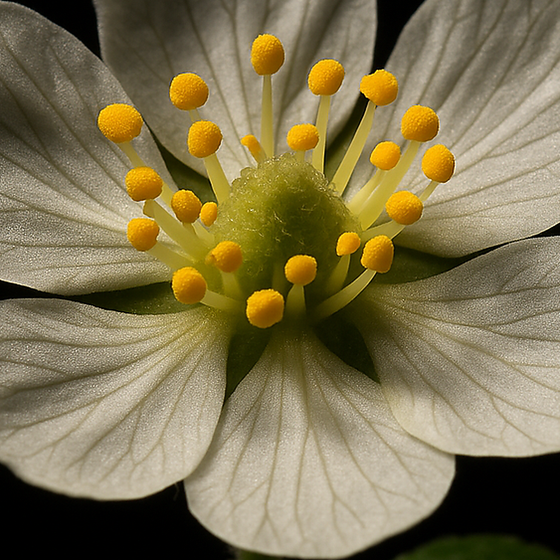
Ziziphus jujuba
Визначення
Jujube blossom is the small yellow-green flower of Ziziphus jujuba, a species of the buckthorn family Rhamnaceae. Its fragrance is uniquely warm and inviting.
КВІТКОВИЙ СОЛОДКИЙ ФРУКТОВИЙ ТРАВ’ЯНИЙ ТЕПЛИЙ СВІЖИЙ
- Type
- Складник
- Olfactive family
- Квіткові
- Source
- flower
- Chemical class
- Volatile mixture of aldehydes, esters, alcohols, olefins and ketones
Інструменти
Піраміда
ВВерхні ноти
СНоти серця
ББазові ноти
Країни-виробники
Китай
Запах
В ароматах PREMIEREPEAU
Докладно
Отримання й хімія
Спосіб отримання
Headspace technology in general identifies the odour compounds in the air surrounding flowers, and a perfumer can recreate the scent from the analysed data.
- Формула
- Complex natural mixture (key constituents: benzaldehyde C₇H₆O; n-octanal C₈H₁₆O; (E)-2-heptenal C₇H₁₂O)
- Ботанічна назва
- Ziziphus jujuba
- Зовнішній вигляд
- Small yellow-green flowers
Статус IFRA
Див. приміткуNo IFRA Standard for the material itself (51st Amendment)
У парфумерії
Sensory evaluation indicated a preference for the fragrance of jujube flowers among men. Jujube flower aroma has the potential to be developed into a men's perfume.
Роль у формулі
01підсилювач дифузії
02фірмова нота
03компонент піднесення
04сполучний компонент
05формувач об’єму
06свіжість
Форми випуску
свіжа квітка
Див. також
7 ноти