


Квітка солодки
АкордКВІТИквітковий · солодкий · гурманський
Ноти серцяПіраміда
—Сила
—Стійкість
3Походження
Зразок
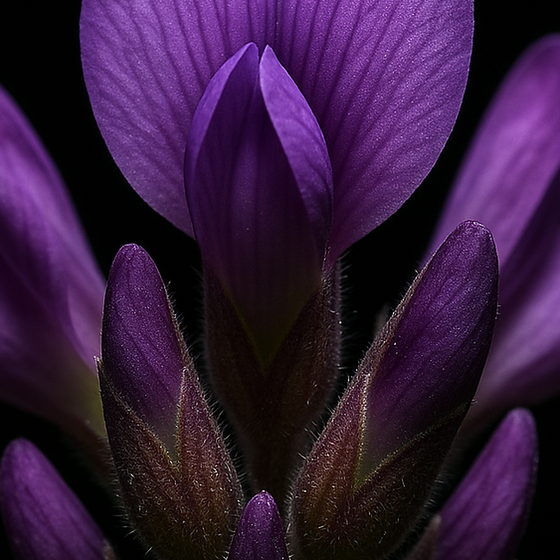
Glycyrrhiza glabra
Фантазійний/концептуальний
Визначення
Licorice flower relates to Glycyrrhiza glabra, the licorice plant, a flowering plant of the bean family Fabaceae whose flowers are purple to pale whitish blue.
КВІТКОВИЙ СОЛОДКИЙ ТЕПЛИЙ
- Type
- Акорд
- Olfactive family
- Квіткові
- Source
- Glycyrrhiza glabra (licorice), a plant of the bean family Fabaceae
Інструменти
Піраміда
ВВерхні ноти
СНоти серця
ББазові ноти
Країни-виробники
Азія Європа Середземномор’я
Запах
В ароматах PREMIEREPEAU
Докладно
Отримання й хімія
Спосіб отримання
Glycyrrhizin is obtained as an extract from licorice root after maceration and boiling in water.
- Формула
- Key compound in root: glycyrrhizin (C₄₂H₆₂O₁₆, CAS 1405-86-3)
- Ботанічна назва
- Glycyrrhiza glabra
- Зовнішній вигляд
- Purple to pale whitish blue flowers
Статус IFRA
Див. приміткуNo IFRA Standard for the material itself (51st Amendment)
Див. також
8 нотиФіалка квітковий · фіалка Гвоздика садова квітковий · пряний · гвоздика (прянощі) Тубероза квітковий · наркотичний · вершковий Троянда квітковий · медовий · зелений Апельсиновий цвіт квітковий · медовий · цитрусовий Делонікс королівський квітковий · ароматичний · солодкий Космея квітковий · шоколад · ваніль Рожевий кристал квітковий · пудровий · фруктовий
