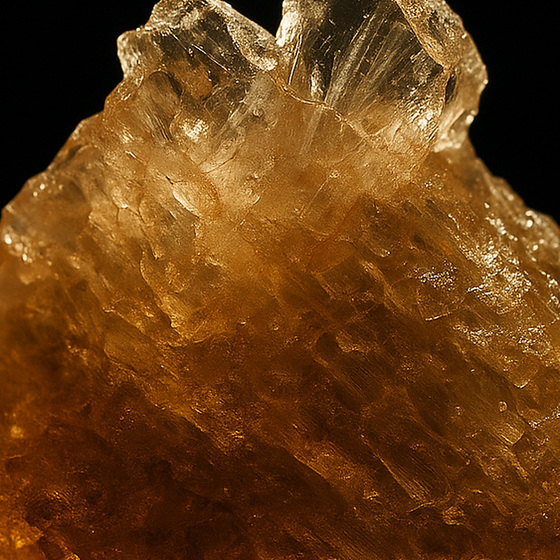
Мальтол

НапівсинтетичнийСОЛОДОЩІ Й ГУРМАНСЬКІ ЗАПАХИгурманський · карамель · солодкий
Ноти серцяПіраміда
3/5Сила
—Стійкість
—Походження
Зразок
Мальтол як парфумерна сировина
Ноти серця
Larix decidua Mill. (bark of young larch trees); Abies alba Mill. (pine needles)
Визначення

Maltol is a naturally occurring organic compound that is used primarily as a flavor enhancer. Its odor is caramel-butterscotch, suggestive of a fruity-strawberry aroma in dilute solution.

СОЛОДКИЙ ГУРМАНСЬКИЙ ТЕПЛИЙ
Larixinic acid, Palatone, Veltol, 3-hydroxy-2-methyl-4-pyrone, 2-methyl-3-hydroxy-4H-pyran-4-one
Type
Складник
Olfactive family
Гурманські
Source
naturally occurring (larch bark, pine needles, roasted malt)
Chemical class
4-pyranone
Інструменти
Піраміда
ВВерхні ноти
СНоти серця
ББазові ноти
3/5Сила
Середня
інтенсивність запаху

Запах

Maltol has a fragrant, caramel-like odor with a caramel-butterscotch character. In dilute solution it suggests a fruity-strawberry aroma. The odor is also reminiscent of freshly baked cakes. Its scent is intensely sweet, warm and caramellic, with strawberry, pineapple and cotton-candy notes.

Докладно

Maltol is a naturally occurring organic compound found in the bark of larch trees and in the needles of pine trees. It is also found in chicory, in wood tars and oils, and in roasted malt, and it is produced in the baking of bread. Maltol is found in a variety of plants including clover, ginseng, licorice, pepper, paprika and raspberry. It has been reported in cocoa, coffee, beer, roasted barley and peanuts.

Maltol is a member of the 4-pyranones, and its IUPAC name is 3-hydroxy-2-methylpyran-4-one. It is soluble in hot water and other polar solvents. Like related 3-hydroxy-4-pyrones such as kojic acid, it binds to hard metal centers such as Fe3+, Ga3+, Al3+ and VO2+. Maltol has been reported to greatly increase aluminium uptake in the body and to increase the oral bioavailability of gallium and iron. It is volatile with steam. One gram dissolves in about 82 mL of water, 21 mL of alcohol or 28 mL of propylene glycol. It may be sensitive to prolonged exposure to light and air, and it reacts with bases.

Maltol is designated INS number 636 in the U.S. and is known in the European E number food additive series as E636. It has been evaluated by JECFA, EFSA and WHO. It is used in foods, perfumes, cosmetics, air fresheners and pharmaceuticals. Maltol has been detected in emissions from burning wood and in tobacco smoke.

Ethyl maltol is related to maltol by replacement of the methyl group by an ethyl group.

Explore all seven extraits in the Discovery Set.

—

Related: Caramel · Furaneol · Methyl Cyclopentenolone · Praline · Toffee

Цікавий факт

Maltol has been identified in red wines aged in wooden barrels at concentrations of 35.5 to 209 µg/L. It has also been found in the juice of the rambutan cultivar Jitlee, at 53.79 µg/L. A concentration of 490 µg/kg was detected in microwave-oven popcorn. Volatiles from two commercial rice cakes contained maltol at 29 and 60 ppb, and it was also identified in the volatiles of roasted chestnuts.

Отримання й хімія

Спосіб отримання

Maltol can be isolated from natural sources such as the bark of young larch trees, pine needles and roasted malt. It is also obtained by alkaline hydrolysis of streptomycin salts. Zinc reduction of the chloromethyl compound gives maltol. Maltol is produced when cellulose or starch is heated.

Формула
C₆H₆O₃
CAS
118-71-8
Ботанічна назва
Larix decidua Mill. (bark of young larch trees); Abies alba Mill. (pine needles)
Зовнішній вигляд
white crystalline powder
Сила запаху
Середня
Синоніми
Larixinic acid, Palatone, Veltol, 3-hydroxy-2-methyl-4-pyrone, 2-methyl-3-hydroxy-4H-pyran-4-one
Статус IFRA
Див. примітку

No IFRA Standard for the material itself (51st Amendment)

Фізичні властивості
Температура кипіння
sublimes at 93 °C
Температура плавлення
161 - 162 °C

У парфумерії

Maltol is used to impart a pleasant aroma to foods and fragrances. In flavor work it imparts a "freshly baked" odor and flavor to bread and cakes. It is also a flavor enhancer in confections, cookies, ice cream, fruit juices, puddings and beverages. It is also used as a flavor chemical in electronic cigarette fluids.

Роль у формулі
01модифікатор
02сполучний компонент
03формувач об’єму
Форми випуску
синтетична речовина

Див. також

7 ноти