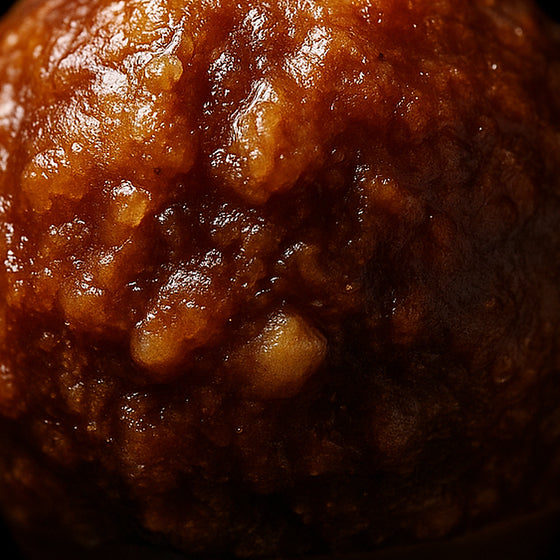
The confection
French pralines are a firm combination of almonds or hazelnuts and caramelized sugar. Cream is a common third ingredient of pralines. American pralines are a softer, creamier combination of syrup and pecans, hazelnuts or almonds with milk or cream, resembling fudge. Praline is usually used as a filling in chocolates or other sweets. A praline cookie is a chocolate cookie containing ground nuts.
American pralines are usually made by combining sugar, often brown, with butter, cream or buttermilk and pecans in a pot over medium-high heat. The mixture is stirred constantly until most of the water has evaporated and it is thick and brown. Spoonfuls are then dropped onto wax paper or greased foil and left to cool.
Coarsely grinding caramel-coated nuts gives a crunchy powder called pralin, an ingredient in many cakes, pastries, and ice creams. Finely ground, this powder becomes praliné in French, which is similar to nut butter. The paste can be blended and flavoured with any type of chocolate, and coated in couverture chocolate it becomes chocolat praliné. For this reason Germany, the Netherlands and Belgium use the word for filled chocolates in general.
Gourmand materials
Gourmand scents are created with vanilla and vanillin, tonka and coumarin, caramel (maltol and ethyl maltol), honey, and fruity esters. Ethyl maltol is a white solid with a sweet smell that can be described as caramelized sugar or as caramelized fruit. Ethyl maltol is often used in perfumery to create gourmand scents, and it was first used in a fragrance launched in 1992. Maltol has the odor of caramel. Maltol occurs in nature in the bark of larch trees and in the needles of pine trees, and it forms during the roasting of malt and the baking of bread. Ethyl maltol is related to maltol by an ethyl group taking the place of the methyl group.
Coumarin is a colorless crystalline solid with a sweet odor resembling the scent of vanilla and a bitter taste. Pyrazine and a variety of alkylpyrazines are flavor and aroma compounds found in baked and roasted goods. The Maillard reaction is a chemical reaction between amino acids and reducing sugars that creates melanoidins, the compounds that give browned food its distinctive flavor.
—
Related: Almond · Benzoin · Butterscotch · Caramel · Chocolate · Cinnamon · Coffee · Coumarin