Пейот

АкордЗЕЛЕНІ НОТИ, ТРАВИ Й ФУЖЕРНІ АКОРДИзелений · землистий · ароматичний
Ноти серцяПіраміда
—Сила
—Стійкість
2Походження
Зразок
Пейот як парфумерна сировина
Ноти серця
Lophophora williamsii
Фантазійний/концептуальний
Визначення

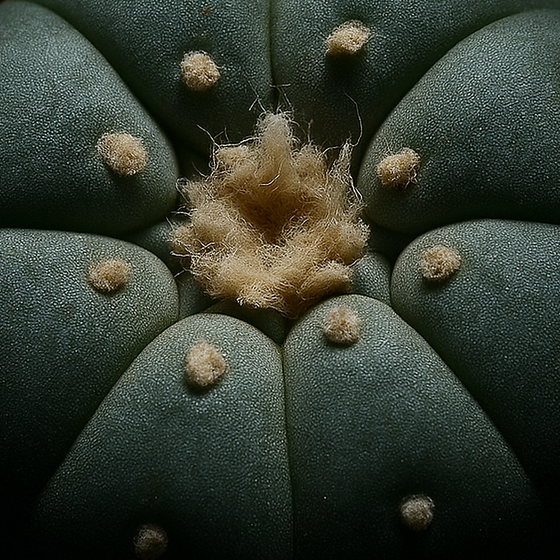
Peyote, also known as Lophophora williamsii, is a small, spineless cactus that contains psychoactive alkaloids, particularly mescaline. The Native American Church considers ingestion of peyote a sacrament.

ЗЕЛЕНИЙ ЗЕМЛИСТИЙ ПРЯНИЙ ТЕПЛИЙ СВІЖИЙ
Devil's root, divine cactus, dumpling cactus, mescal, mescal buttons
Type
Акорд
Olfactive family
Ароматичні
Source
Spineless cactus (Lophophora williamsii)
Chemical class
Phenethylamine alkaloids
Інструменти
Піраміда
ВВерхні ноти
СНоти серця
ББазові ноти
Країни-виробники
Мексика Сполучені Штати

Запах

The stem of peyote is not aromatic.

Докладно

The plant

Peyote is native to southern North America, primarily in desert scrub and limestone-rich areas of northern Mexico and south Texas, particularly in the Chihuahuan Desert. Its shoots are mostly flattened spheres with sunken tips, and they can reach heights of 2 to 7 cm and diameters of 4 to 12 cm. The flowers are pink or white to slightly yellowish, sometimes reddish, and the cactus produces small edible pink fruit. The taste of the cactus is bitter. The seeds are black and pear-shaped, 1 to 1.5 mm long and 1 mm wide. New stem branches can grow only from areoles on the subterranean stem of the adult plant.

Mescaline

Peyote contains a large spectrum of phenethylamine alkaloids, and the principal one is mescaline. Besides mescaline, the plant contains the alkaloid lophophorine. Of the Lophophora species, only peyote is known to hold large amounts of mescaline, about 30% of its total alkaloid content. The related species Lophophora diffusa contains zero to trace amounts of mescaline, and pellotine is its principal alkaloid. Mescaline is 3,4,5-trimethoxyphenethylamine, an alkaloid of the phenethylamine and scaline families. The green above-ground part of the plant is rich in mescaline and is called the crown, or button, when harvested and dried. The mescaline concentration in the stem is an order of magnitude lower than in the crown, and in the root it is two orders of magnitude lower.

Cultural and legal status

Indigenous peoples of the Americas have used peyote for over 5,000 years for ceremonial, spiritual and folk medicine purposes. The Native American Church regards peyote as a sacred and holy sacrament and uses it to communicate with the Great Spirit. In the Church, peyote is never used for recreational purposes. In Wixarika (Huichol) culture, peyote is considered the soul of their religion and a visionary sacrament.

Peyote and its psychoactive component mescaline are generally controlled substances worldwide, but many laws, including those of Canada and the United States, exempt the use of peyote in authentic Native American religious ceremonies. In Canada, mescaline is a schedule III drug, whereas peyote is exempt. Peyote is assessed as Vulnerable on the IUCN Red List. Peyote has been over-harvested in South Texas, to the point that the state has listed it as an endangered species.

Explore all seven extraits in the Discovery Set.

—

Related: Acronychia Pedunculata · Adoxal · Agave · Algae · Aloe Vera · Aromatic Notes · Asparagus · Avocado

Цікавий факт

Peyote takes 10 to 30 years to mature and flower. Grafted to Pereskiopsis, however, seedlings can flower and produce seed within two years.

Отримання й хімія

Спосіб отримання

In traditional preparations the top of the cactus is cut off, and the large tap root and a ring of green tissue are left to grow new heads. The heads are then dried into disc-shaped buttons. Harvest guidelines advise cutting only the green part of the plant and leaving the subterranean stem and root intact.

Формула
Complex natural mixture (key constituents: mescaline C₁₁H₁₇NO₃)
Ботанічна назва
Lophophora williamsii
Зовнішній вигляд
Small, spineless cactus with blue-green, yellow-green or sometimes reddish-green shoots, mostly flattened spheres
Синоніми
Devil's root, divine cactus, dumpling cactus, mescal, mescal buttons
Статус IFRA
Див. примітку

No IFRA Standard for the material itself (51st Amendment)

Фізичні властивості
Нота
Mescaline content: about 0.4% when fresh and up to 6% when dried

Див. також

8 ноти