


Play-Doh
АкордНАТУРАЛЬНІ Й СИНТЕТИЧНІ, ПОПУЛЯРНІ Й НЕЗВИЧНІсолодкий · мускусний · гурманський
Ноти серцяПіраміда
—Сила
—Стійкість
3Походження
Зразок
Фантазійний/концептуальний
Визначення
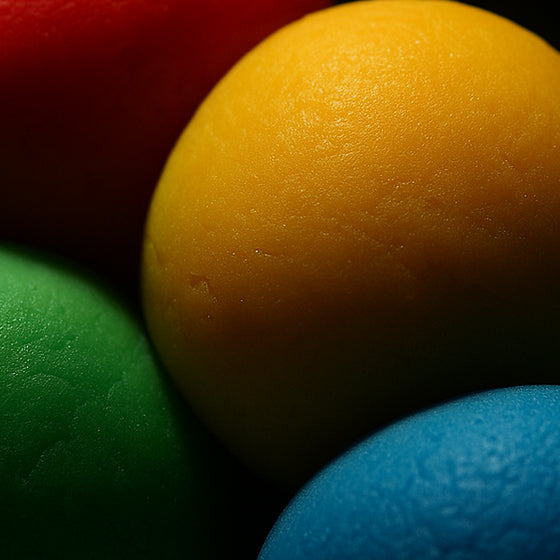
Play-Doh is a reusable modeling product sold by Hasbro, made mostly of water, salt, and flour. Its trademarked scent is described as a sweet, slightly musky, vanilla-like fragrance with slight overtones of cherry and the natural smell of a salted, wheat-based dough.
СОЛОДКИЙ ГУРМАНСЬКИЙ МУСКУСНИЙ ВАНІЛЬНИЙ ВИШНЕВИЙ СОЛОНИЙ
- Type
- Акорд
- Olfactive family
- Гурманські
- Source
- Mostly water, salt, and flour
Інструменти
Піраміда
ВВерхні ноти
СНоти серця
ББазові ноти
Країни-виробники
Сполучені Штати Китай Туреччина
Запах
В ароматах PREMIEREPEAU
Докладно
Отримання й хімія
- Зовнішній вигляд
- Pliable, putty-like substance
Статус IFRA
Див. приміткуNo IFRA Standard for the material itself (51st Amendment)
У парфумерії
A fragrance house created a limited-edition fragrance inspired by Play-Doh's distinctive odor in 2006, to mark the compound's fiftieth anniversary. Some Play-Doh-scented products, including cologne and soy candles, are available online.
Роль у формулі
01модифікатор
02фірмова нота
Форми випуску
синтетичний акорд фантазійна нота
Див. також
5 ноти