Місячний пил

АкордНАТУРАЛЬНІ Й СИНТЕТИЧНІ, ПОПУЛЯРНІ Й НЕЗВИЧНІпудровий · квітковий · теплий
Ноти серцяПіраміда
3/5Сила
—Стійкість
—Походження
Зразок
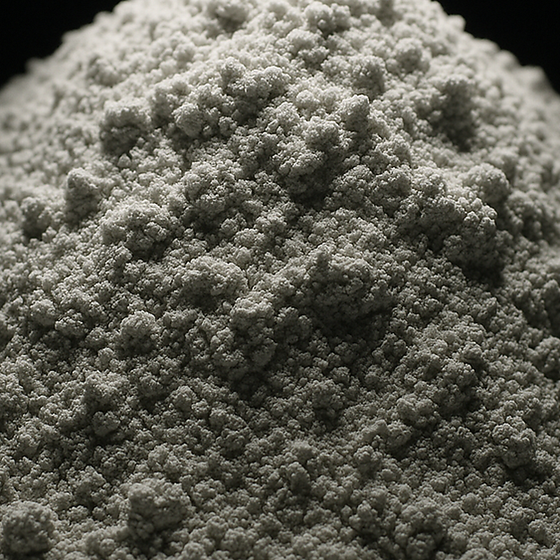
Місячний пил як парфумерна сировина
Ноти серця
Фантазійний/концептуальний
Визначення

The smell of lunar dust, as Apollo astronauts described it, is that of burnt gunpowder. Why the dust smells this way is not known.

КВІТКОВИЙ СОЛОДКИЙ ПУДРОВИЙ ТЕПЛИЙ ПРОХОЛОДНИЙ СВІЖИЙ ВЕРШКОВИЙ
Type
Акорд
Olfactive family
Квіткові
Source
Lunar dust
Інструменти
Піраміда
ВВерхні ноти
СНоти серця
ББазові ноти
3/5Сила
Середня
інтенсивність запаху

Запах

Moondust smells like burnt gunpowder. Lunar regolith reportedly tastes and smells of spent gunpowder. Apollo 16 pilot Charlie Duke radioed that it was a really strong smell, with the taste and the smell of gunpowder. Gene Cernan said it smelled like spent gunpowder, and like someone had just fired a carbine in the lander.

Докладно

What lunar dust is

Lunar dust is regolith finer than lunar soil, with grain sizes less than one millimeter. Almost half of moondust is silicon dioxide glass created by meteoroids hitting the moon. Moondust is also rich in iron, calcium and magnesium bound up in minerals such as olivine and pyroxene. Lunar regolith and crust are chemically reduced, rather than significantly oxidized like the Earth's crust. The dust is electrically charged and sticks to any surface with which it comes in contact.

The smell in the lunar lander

After every moonwalk, the Apollo astronauts tramped the dust back inside the lander. Moondust was incredibly clingy, sticking to boots, gloves and other exposed surfaces. Once their helmets and gloves were off, the astronauts could feel, smell and even taste the moon. Moondust and gunpowder are not the same thing. Modern smokeless gunpowder is a mixture of nitrocellulose and nitroglycerin, which are not found in lunar soil.

Possible explanations

Astronaut Don Pettit suggested that moondust meeting moist air in a lunar module gives a 'desert rain' effect and some lovely odors. Gary Lofgren of the Lunar Sample Laboratory suggested that the gases evaporating from the moondust might come from the solar wind. Harrison Schmitt suggested that the smell, and his reaction to it, could be a sign that moondust is chemically active. Lofgren also noted that oxygen would readily combine with the dangling chemical bonds of the moondust, a process called oxidation that is akin to burning. Oxidation of moondust might produce an aroma like burnt gunpowder, though it happens too slowly for smoke or flames.

Moondust on Earth

Moondust on Earth has no smell. The samples brought back by Apollo astronauts have been in contact with moist, oxygen-rich air, and any smelly chemical reactions or evaporations ended long ago. Astronauts took special containers to hold the samples in vacuum, but the jagged edges of the dust cut the seals and let oxygen and water vapor in.

Recreating the smell

A smell lab at Arizona State University would ideally create the scent of the Moon and have one of the remaining moonwalkers say how close it smells to being there. Creating a smell involves a process called solid phase microextraction. The smelly thing is put in a jar, and a filament is attached to capture the smell it emits. Machines then analyze the scent to work out which molecules give off a particular smell.

Explore all seven extraits in the Discovery Set.

—

Related: Acerola Blossom · Albizia · Anisaldehyde · Apple Blossom · Babys Breath · Campion Flower · Cannonball Flower · Cotton Flower

Цікавий факт

Apollo 17 astronaut Jack Schmitt had what is described as history's first recorded case of extraterrestrial hay fever. Held to a match, moondust does nothing explosive.

Отримання й хімія

Сила запаху
Середня
Статус IFRA
Див. примітку

No IFRA Standard for the material itself (51st Amendment)

У парфумерії

A crowdfunded fragrance campaign planned to offer the smell of the moon as Apollo astronauts described it. A chemist, Steve Pearce, designed a lunar aroma around Apollo 16 moonwalker Charlie Duke's description of the lunar regolith.

Роль у формулі
01підсилювач дифузії
02модифікатор
03фірмова нота
04компонент піднесення
05сполучний компонент
Форми випуску
синтетичний акорд фантазійна нота

Див. також

7 ноти