


Цвіт бавовнику
АкордКВІТИквітковий · свіжий · пудровий
Ноти серцяПіраміда
—Сила
—Стійкість
3Походження
Зразок
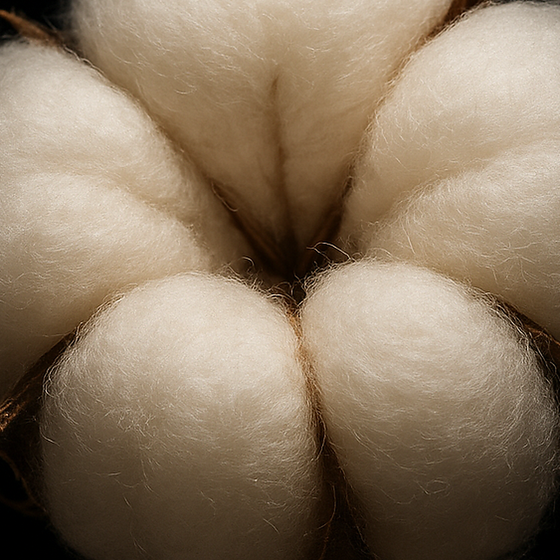
Gossypium
Фантазійний/концептуальний
Визначення
Cotton flower is a synthetic perfumery note with a musky facet, obtained through accords. Its scent is clean, fresh and subtly floral.
КВІТКОВИЙ СОЛОДКИЙ ПУДРОВИЙ ТЕПЛИЙ СВІЖИЙ СУХИЙ
- Type
- Акорд
- Olfactive family
- Квіткові
- Source
- Synthetic accord
Інструменти
Піраміда
ВВерхні ноти
СНоти серця
ББазові ноти
Країни-виробники
Китай Індія Сполучені Штати
Запах
В ароматах PREMIEREPEAU
Докладно
Цікавий факт
After one day, the petals of the cotton flower turn dark and the flower closes. The flower is usually self pollinated. Pollination usually occurs within that first day, and the ovules are fertilized about 30 hours after pollination.
Отримання й хімія
Спосіб отримання
The cotton flower note is obtained through accords, and its origin is given as synthesis.
- Ботанічна назва
- Gossypium
Статус IFRA
Див. приміткуNo IFRA Standard for the material itself (51st Amendment)
Див. також
7 ноти