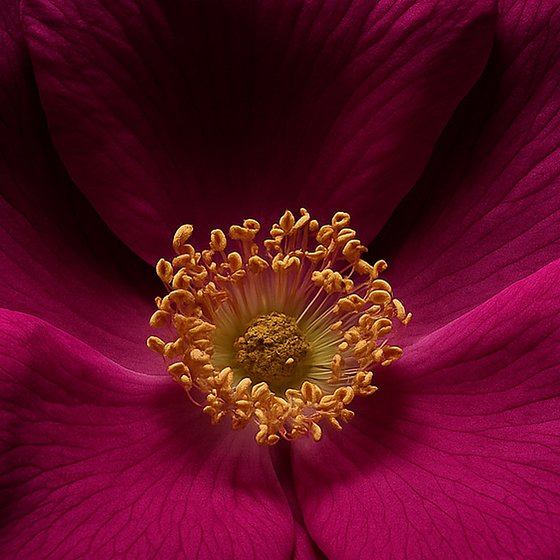
Шипшина зморшкувата

НатуральнийКВІТИквітковий · фруктовий · землистий
Ноти серцяПіраміда
—Сила
—Стійкість
1Походження
Зразок
Шипшина зморшкувата як парфумерна сировина
Ноти серця
Rosa rugosa
Визначення

Hamanasu is the Japanese name for Rosa rugosa, a species of rose native to eastern Asia. Its essential oil has an exceptionally delicate, soft aroma of wild rose blossoms.

КВІТКОВИЙ ЦИТРУСОВИЙ ЗЕЛЕНИЙ ЗЕМЛИСТИЙ СОЛОДКИЙ СВІЖИЙ
Japanese rose, rugosa rose, beach rose, Ramanas rose, letchberry, hamanashi
Type
Складник
Olfactive family
Квіткові
Source
flower
Chemical class
complex natural (essential oil)
Інструменти
Піраміда
ВВерхні ноти
СНоти серця
ББазові ноти
Країни-виробники
Японія

Запах

The oil has an exceptionally delicate, soft aroma of wild rose blossoms. Its scent is fresh and gently sweet and floral. It is lighter and more delicate than the rich and complex aroma of Damask rose.

Докладно

Hamanasu is the Japanese name for Rosa rugosa, the rugosa or beach rose. The species is native to northeastern China, Japan, Korea and southeastern Siberia, where it grows on beach coasts, often on sand dunes. It is extremely tolerant of seaside salt spray and storms, commonly being the first shrub in from the coast. The flowers are pleasantly scented and range in color from dark pink to white. The edible hips are large, 2-3 cm in diameter. Compared with Rosa canina plants, fresh Rosa rugosa hips display a higher ascorbic acid concentration. Many garden cultivars exist; 'Rubra Plena' is a semi-double form whose dark pink petals are strongly scented of clove.

The petals of Rosa rugosa are a source of rose essential oil. Citronellol, geraniol, nerol and their acetate esters are the major headspace compounds of Chinese traditional rose essential oil, and together they make up 50% to 70% of its total mass fraction. The main floral components identified in 23 Chinese Rosa rugosa germplasms were ethanol, n-hexane, 2-phenylethanol and β-citronellol. In Bulgaria, France, Turkey, Morocco and other European countries rose essential oil is mainly extracted from Rosa damascena, whose floral headspace compounds differ from those of the traditional Chinese rose.

The flowers are used to make pot-pourri in Japan and China. The species is valued by rose breeders for its considerable resistance to the diseases rose rust and rose black spot. Rosa rugosa has been labeled as an endangered species in its native China.

—

Related: 2 Phenoxyethanol · Alba Rose · Benzophenone · Beta Damascenone · China Rose · Citronellyl Formate · Desert Rose · Dried Rose

Цікавий факт

Hamanasu means 'beach aubergine' in Japanese, and the species is also called hamanashi, 'beach pear'. Several of its common names, including beach tomato and sea tomato, refer to the fruit's resemblance to a tomato.

Отримання й хімія

Спосіб отримання

Among rose oils in general, rose otto is made by steam distillation and rose absolute by solvent extraction. Supercritical carbon dioxide extraction yields a concrete that may be sold as a concrete, an absolute or a CO2 extract.

Формула
Complex natural mixture (key constituents: citronellol; geraniol; nerol)
Ботанічна назва
Rosa rugosa
Синоніми
Japanese rose, rugosa rose, beach rose, Ramanas rose, letchberry, hamanashi
Статус IFRA
Див. примітку

No IFRA Standard for the material itself (51st Amendment)

У парфумерії

Rose absolute is used more commonly in perfumery than rose otto. Rose essential oil obtained from the petals of Rosa rugosa is a very valuable natural raw material, especially in perfumes, cosmetics, aromatherapy, spices and nutrition.

Роль у формулі
01підсилювач дифузії
02модифікатор
03фірмова нота
04сполучний компонент
05свіжість
Форми випуску
ефірна олія абсолют конкрет CO₂-екстракт

Див. також

7 ноти