


Цвіт лоха колючого
АкордКВІТИквітковий · фруктовий · свіжий
Ноти серцяПіраміда
3/5Сила
—Стійкість
3Походження
Зразок
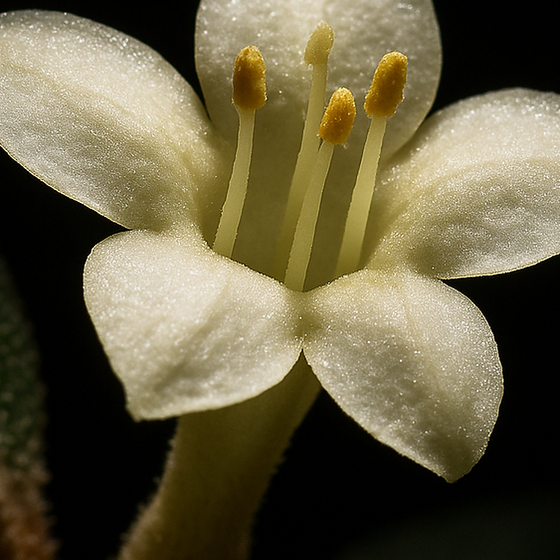
Elaeagnus pungens
Фантазійний/концептуальний
Визначення
Silverthorn (Elaeagnus pungens) is an evergreen shrub of the family Elaeagnaceae. Its autumn flowers are sweet-scented and are described as similar to a gardenia.
КВІТКОВИЙ ЗЕЛЕНИЙ СОЛОДКИЙ ФРУКТОВИЙ СВІЖИЙ
silverthorn, thorny olive, spiny oleaster, thorny elaeagnus
- Type
- Акорд
- Olfactive family
- Квіткові
- Source
- flower
Інструменти
Піраміда
ВВерхні ноти
СНоти серця
ББазові ноти
3/5Сила
Середня
інтенсивність запаху
Країни-виробники
Китай Японія Східна Азія
Запах
В ароматах PREMIEREPEAU
Докладно
Цікавий факт
Elaeagnus pungens has inconspicuous flowers with a large scent. Between 8 March and 5 April 1981, researchers counted 298 cedar waxwings killed while trying to get fruits from thorny-olive shrubs growing along one highway in Brazos County, Texas.
Отримання й хімія
- Ботанічна назва
- Elaeagnus pungens
- Зовнішній вигляд
- Bell-shaped, silvery-white flowers
- Сила запаху
- Середня
- Синоніми
- silverthorn, thorny olive, spiny oleaster, thorny elaeagnus
Статус IFRA
Див. приміткуNo IFRA Standard for the material itself (51st Amendment)
Див. також
8 нотиАпельсиновий цвіт квітковий · медовий · цитрусовий Гвоздика садова квітковий · пряний · гвоздика (прянощі) Ірис пудровий · землистий · фіалка Жасмин квітковий Тубероза квітковий · наркотичний · вершковий Цвіт ківі квітковий · фруктовий · свіжий Цвіт нектарина квітковий · фруктовий · свіжий Цвіт суниці квітковий · фруктовий · свіжий
