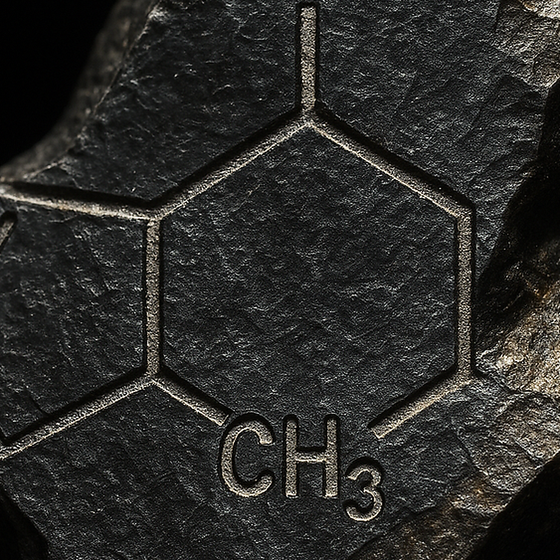
Скатол

Натуральний і синтетичнийМУСКУС, АМБРОВИЙ АКОРД, ТВАРИННІ ЗАПАХИквітковий · тваринний
Базові нотиПіраміда
5/5Сила
400годСтійкість
—Походження
Зразок
Скатол як парфумерна сировина
Базові ноти
Визначення

Skatole, or 3-methylindole, is an organic compound belonging to the indole family. Its odour is fecal at high levels and becomes pleasant, sweet and warm at very low levels.

ТВАРИННИЙ ФЕКАЛЬНИЙ КВІТКОВИЙ СОЛОДКИЙ ТЕПЛИЙ ФРУКТОВИЙ
3-Methylindole, 3-methyl-1H-indole, scatole, skatol, beta-methylindole
Type
Складник
Olfactive family
Амброві й мускусні
Source
Occurs naturally in feces; prepared synthetically
Chemical class
indole derivative
Інструменти
Піраміда
ВВерхні ноти
СНоти серця
ББазові ноти
5/5Сила
Дуже висока
інтенсивність запаху
Стійкість на блотері
400годин · 17 днів
1 год6 год24 год3 дн.7 дн.400 год
за 1 % in DPG

Запах

At high to moderate concentrations, its aroma is described as animal, fecal, naphthyl and civet. Its odour is also described as mothball, putrid, decayed and fecal, becoming jasmine-like or fruity upon dilution. A 1% dilution in dipropylene glycol is described as a very strong indole aroma with a floral note of jasmine and a shade of civet. At 0.10% in dipropylene glycol it is described as very strong, animal, fecal, with indole and civet notes. A 1% sample is described as animalic, warm, sweet and over-ripe fruit.

Докладно

Skatole (3-methylindole, CAS 83-34-1) is a mildly toxic white crystalline organic compound with the formula C₉H₉N. It belongs to the indole family and has a methyl substituent in position 3 of the indole ring. It tends to darken on exposure to air. Its name derives from the Greek root skato-, meaning feces.

Skatole occurs naturally in the feces of mammals and birds and is the primary contributor to fecal odor. It is derived from the amino acid tryptophan in the digestive tract of mammals. Tryptophan is converted to indoleacetic acid, which decarboxylates to give the methylindole. Once formed there, skatole is metabolized by cytochrome P450 enzymes in the liver.

In low concentrations skatole has a flowery smell and is found in several flowers and essential oils, including those of orange blossoms, jasmine, and Ziziphus mauritiana. It also occurs naturally in coal tar and beets. Skatole is one of the volatile compounds in human breath associated with halitosis.

Skatole is one of many compounds that are attractive to males of various species of orchid bees, which apparently gather the chemical to synthesize pheromones. It is the starting material used in the synthesis of atiprosin and nerispirdine.

—

Related: Aldambre · Ambrarome · Ambrein · Ambreine · Ambrettolide · Ambronova · Ammonia · Animal Notes

Цікавий факт

Together with androstenone, skatole is regarded as a principal determinant of boar taint, the offensive odor or taste of pork from non-castrated male pigs. Skatole accumulates in the fat of male pigs as they mature, because testicular steroids inhibit its breakdown by the liver.

Отримання й хімія

Спосіб отримання

Skatole can be prepared in the laboratory via the Fischer indole synthesis, a method for the formation of indole derivatives from phenylhydrazines and carbonyl compounds; phenylhydrazine and propanal can be used. Skatole can also be made by cyclization of o-toluidides.

Формула
C₉H₉N
CAS
83-34-1
Зовнішній вигляд
white to tan powder
Сила запаху
Дуже висока
Стійкість
Substantivity of 400 hours measured at 1.00% in dipropylene glycol
Синоніми
3-Methylindole, 3-methyl-1H-indole, scatole, skatol, beta-methylindole
Статус IFRA
Див. примітку

No IFRA Standard for the material itself (51st Amendment)

Фізичні властивості
Температура кипіння
265.00 to 266.00 °C @ 755.00 mm Hg
Температура плавлення
95.00 to 97.00 °C @ 760.00 mm Hg
Температура спалаху
269.00 °F TCC (131.67 °C)

У парфумерії

Skatole is used in perfume compositions and in artificial civet bases. It is used as a fragrance and fixative in many perfumes and as an aroma compound. It is also used in low concentrations in some ice cream as a flavor enhancer. As a flavour it is described as warm, over-ripe and fruity below 0.1 ppm. The Joint FAO/WHO Expert Committee on Food Additives last evaluated it as a flavouring agent in 2004 and found no safety concern at current levels of intake.

Роль у формулі
01фіксатор
02тваринна нота
Форми випуску
кристалічна речовина

Див. також

7 ноти