


Підсніжник
АкордКВІТИквітковий · свіжий · зелений
Ноти серцяПіраміда
4/5Сила
—Стійкість
—Походження
Зразок
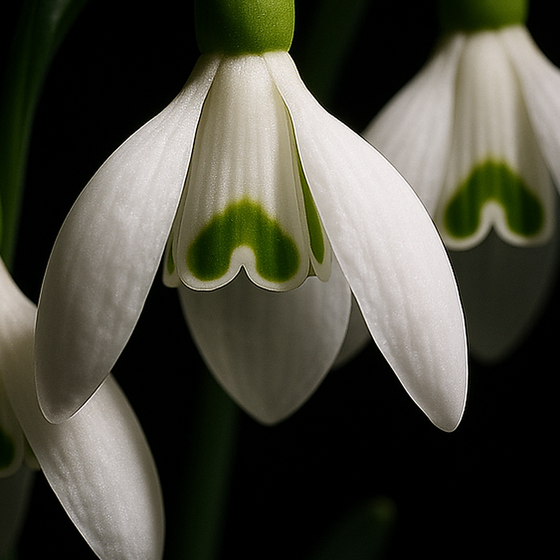
Galanthus nivalis
Фантазійний/концептуальний
Визначення
Snowdrops are the flowers of Galanthus nivalis, a small bulbous perennial of the Amaryllidaceae family. Their fragrance is a fresh, green floral note and is not particularly strong.
КВІТКОВИЙ ЗЕЛЕНИЙ СОЛОДКИЙ СВІЖИЙ
Galanthus, perce-neige
- Type
- Акорд
- Olfactive family
- Квіткові
- Source
- flowers
Інструменти
Піраміда
ВВерхні ноти
СНоти серця
ББазові ноти
4/5Сила
Висока
інтенсивність запаху
Запах
В ароматах PREMIEREPEAU
Докладно
Отримання й хімія
Спосіб отримання
Headspace technology identifies the odor compounds in the air surrounding flowers and other odoriferous objects, after which a perfumer can recreate the scent.
- Ботанічна назва
- Galanthus nivalis
- Сила запаху
- Not particularly strong
- Синоніми
- Galanthus, perce-neige
Статус IFRA
Див. приміткуNo IFRA Standard for the material itself (51st Amendment)
У парфумерії
As a perfumery note, snowdrop is described as adding freshness and coolness to an accord or scent.
Роль у формулі
01свіжість
Форми випуску
хедспейс-вловлювання синтетична реконструкція
Див. також
8 нотиЖасмин квітковий Ірис пудровий · землистий · фіалка Тубероза квітковий · наркотичний · вершковий Троянда квітковий · медовий · зелений Гвоздика садова квітковий · пряний · гвоздика (прянощі) Бегонія квітковий · свіжий · зелений Анігозантос квітковий · свіжий · зелений Льон свіжий · зелений · квітковий
